What Is Microblading? Natural Brows Explained
Have you ever looked in the mirror and wished your eyebrows looked fuller and more perfect? Maybe you spend a lot of time every morning drawing them with a pencil. Or maybe your eyebrows are thin and you want them to look thicker. If this sounds like you, then microblading might be something you want to learn about.
What is microblading? It's a special beauty treatment that makes your eyebrows look fuller and more beautiful. The best part? You wake up with perfect eyebrows every single day without doing anything. No more drawing them on or using makeup!
In this guide, we'll explain everything you need to know about microblading in simple words. By the end, you'll know if it's right for you.
What is Microblading? Understanding the Basics
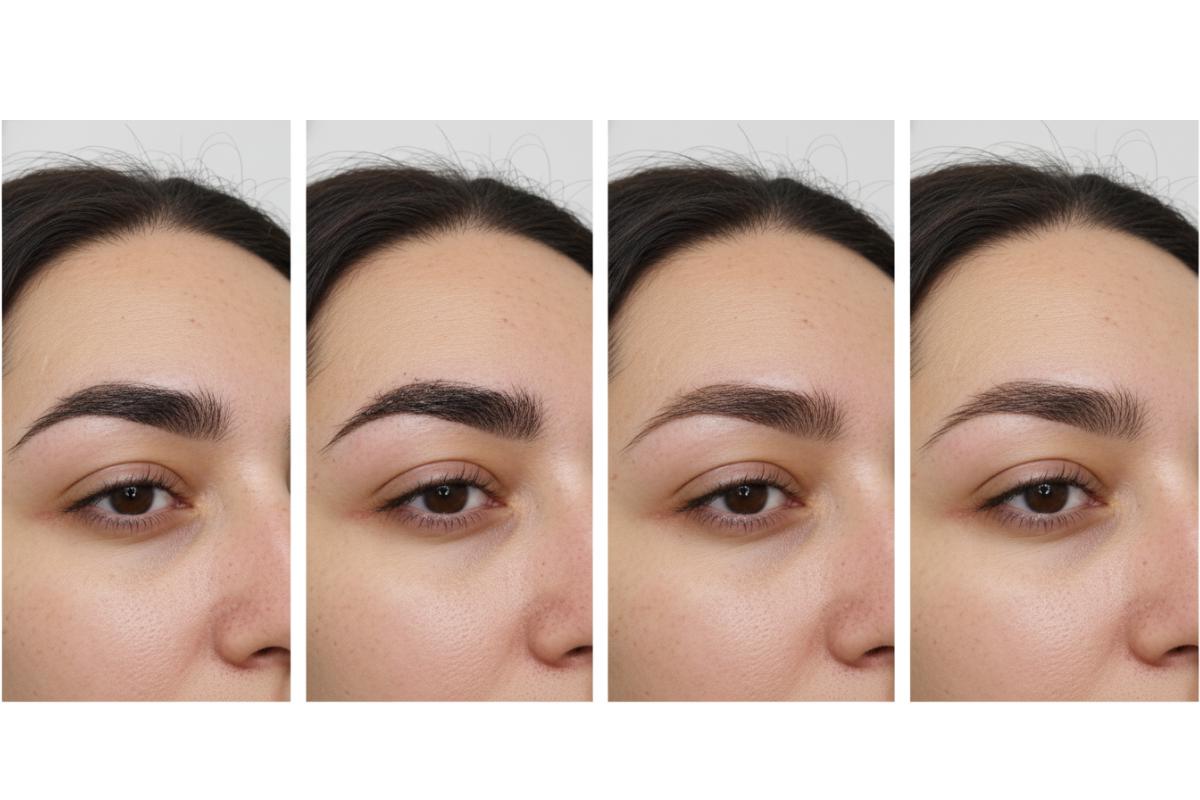
Let's start with the simple answer. Microblading is a way to make your eyebrows look better by adding tiny strokes that look just like real eyebrow hairs.
Think of it like this: imagine an artist drawing on your eyebrows with very thin lines. Each line looks like a real hair. When the artist is done, your eyebrows look natural and full.
But here's the special part - these drawn lines don't wash off like makeup. They stay on your face for about 1 to 3 years. This is why people call it "semi-permanent." Semi-permanent means it lasts for a long time, but not forever.
How Does Microblading Work?
The person doing microblading uses a special hand tool. This tool has very tiny needles that are arranged in a row, kind of like a small blade. That's why it's called "micro" (which means small) and "blading."
The artist dips this tool in a special color called pigment. Then they make small, gentle cuts in your skin and put the pigment inside. Don't worry - it's not as scary as it sounds! The cuts are very, very small and only go into the top layer of your skin.
Each stroke the artist makes looks like a single eyebrow hair. After making many strokes, your eyebrows look fuller and more shaped. The best microblading looks so natural that people can't even tell you had it done.
Microblading is Not Regular Makeup
This is important to understand. When you use an eyebrow pencil, the color sits on top of your skin. You can wash it off at night. But with microblading, the color goes into your skin (not deep, just a little bit). This is why it stays for months and months.
You don't need to draw your eyebrows every morning. You don't need to worry about them smudging when you swim or exercise. They just look good all the time.
Microblading vs. Eyebrow Tattooing: What's the Difference?
Many people get confused about this. They think microblading and eyebrow tattoos are the same thing. But they're actually quite different!
The Big Differences
The Tool:
- Eyebrow tattoos are done with a machine that makes a buzzing sound
- Microblading is done by hand with a small tool
How Deep It Goes:
- Tattoos go deep into your skin and stay forever
- Microblading only goes into the top layer and fades away after 1-3 years
The Color:
- Tattoo ink can sometimes turn blue or green over time (which looks weird on eyebrows!)
- Microblading pigment just fades lighter and lighter until it's gone
How It Looks:
- Tattoos often look like a solid block of color
- Microblading looks like individual hairs, which is more natural
So if someone had eyebrow tattoos done 20 years ago, they might have solid, dark eyebrows that look fake. But microblading gives you soft, natural-looking brows that eventually fade away.
The Microblading Procedure: What Happens Step by Step
Now let's talk about what actually happens when you get microblading done.
Before Your Appointment
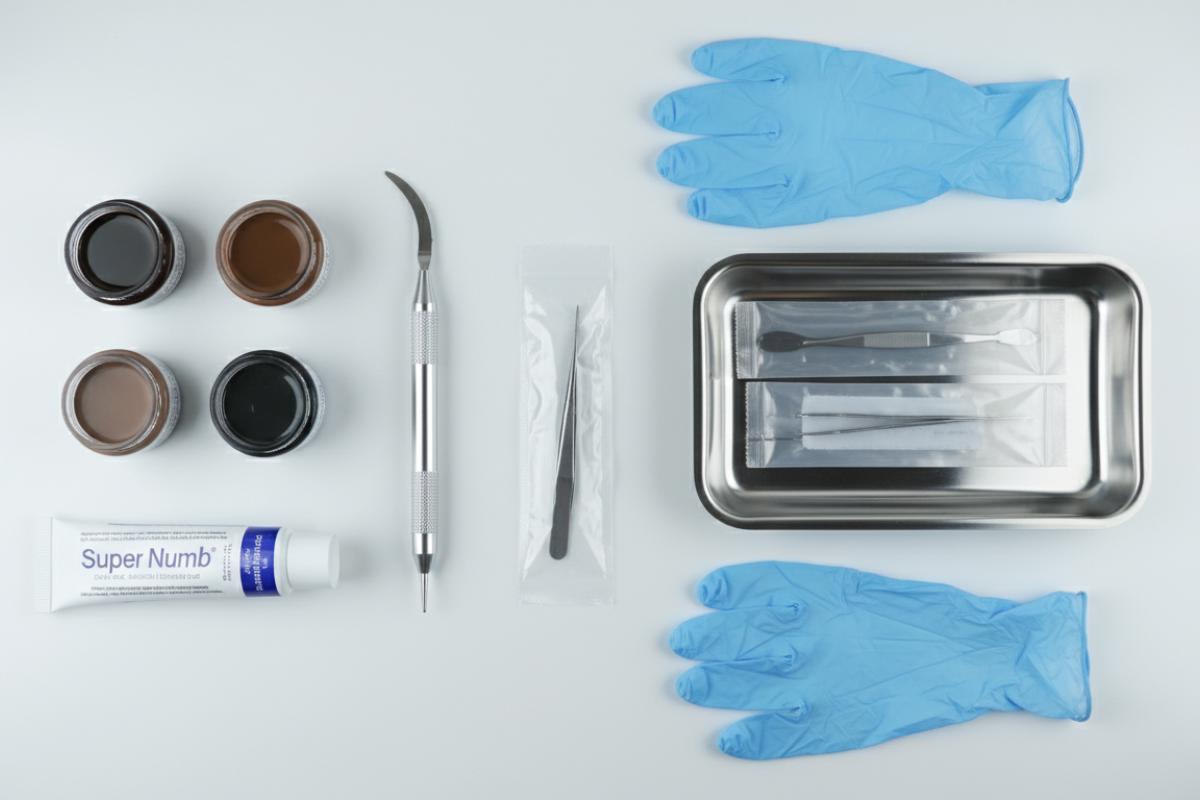
First, you need to prepare. Your microblading artist will give you a list of things to avoid:
- Don't use certain face creams (especially ones with retinol) for a week before
- Don't get a tan or sit in the sun too much
- Don't take aspirin or other blood thinners
- Don't drink alcohol the day before
Why? Because all these things can make your skin bleed more or react badly to the treatment.
During the Appointment
On the day of your appointment, here's what happens:
Step 1: Talking and Planning (15-20 minutes)
You sit down with the artist and talk about what you want. What shape do you like? How dark should they be? The artist will look at your face and help you choose the best eyebrow shape for you.
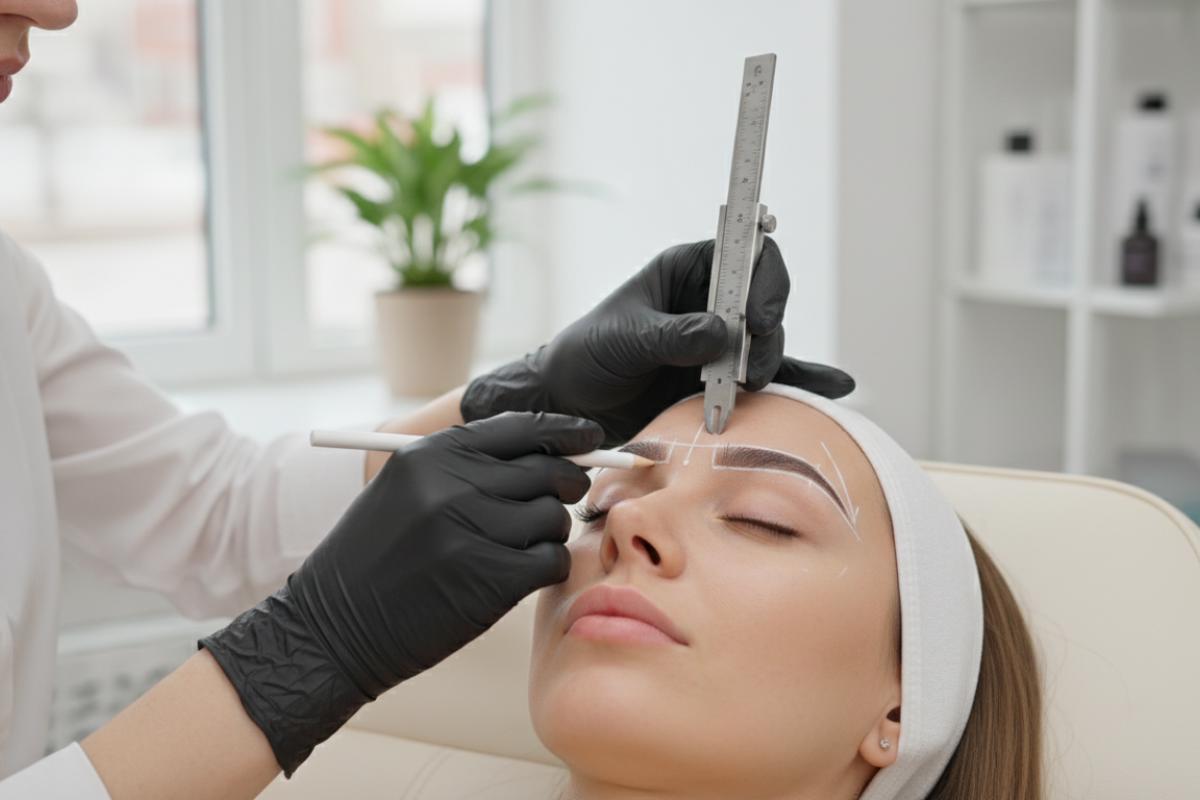
Step 2: Drawing the Shape (10-15 minutes)
The artist draws on your eyebrows with a regular pencil first. This is like making a plan before building a house. You look in the mirror and say if you like it or want changes. You can ask them to make it different until it looks perfect.
Step 3: Numbing (20-30 minutes)
The artist puts a special numbing cream on your eyebrows. This cream has medicine in it that makes your skin feel less. You wait about 20-30 minutes for it to work. This is the boring part where you just sit and wait!
Step 4: The Microblading (60-90 minutes)
Now the real work starts. The artist uses the microblading tool to make tiny strokes on your eyebrows. You might hear a little scraping sound, like when you scratch cardboard.
Does it hurt? Most people say it feels a bit annoying but not really painful. Some people say it feels like someone is scratching you with a fingernail. Because of the numbing cream, it shouldn't hurt too much. If it does hurt, tell your artist and they can put more numbing cream.
Step 5: Looking at the Results (5-10 minutes)
When the artist is finished, you look in the mirror. Your new eyebrows will look darker than they will later. This is normal! They might also look a bit red around the edges.
The whole appointment takes about 2 to 2.5 hours from start to finish.
The Touch-Up Appointment
About 4 to 8 weeks later, you come back for a second appointment. This is called a touch-up or a follow-up.
Why do you need this? Because your skin is healing, some of the pigment might fade in some spots. The touch-up appointment lets the artist fill in any light spots and make everything perfect.
This second appointment is usually shorter - maybe 60 minutes.
Book Into our Symetrie Studio Spa
Ready to take the next step? Book a consultation with a qualified permanent makeup artist.
Book Now
Microblading Aftercare: Taking Care of Your New Eyebrows
After you get microblading, you need to take very good care of your eyebrows. This is super important! If you don't follow the rules, your eyebrows might not heal well.
The First 7-10 Days: The Most Important Time
For the first week to 10 days, you have one big rule: KEEP YOUR EYEBROWS DRY.
This means:
- Don't wash your face the normal way (wash around your eyebrows carefully)
- Don't let water hit your eyebrows in the shower
- Don't go swimming
- Don't exercise and get sweaty
- Don't go in a sauna or steam room
I know this sounds hard, but it's really important! Water can push the pigment out before your skin heals.
Also during this time:
- Don't touch or scratch your eyebrows
- Don't put makeup on them
- Don't pick at any scabs (I know it's tempting!)
- Sleep on your back if you can
Days 10-30: The Weird Phase
After the first week, your eyebrows might start to look strange. Don't panic! This is normal.
Here's what happens:
- Your eyebrows might get scabby and flaky (like when a cut heals)
- They might itch (but don't scratch!)
- The color might look super light, almost like it disappeared
- You might see what people call "milk skin" - a whitish layer
This is all normal healing. The color will come back! It takes about 30 days for everything to settle down and look right.
Long-Term Care
After your eyebrows heal completely, you still need to take care of them:
- Put sunscreen on them when you go outside (sun makes them fade faster)
- Don't use harsh face scrubs on them
- Be gentle when you wash your face
How Long Does Microblading Last?
What is microblading's lifespan? Good question!
Microblading usually lasts between 1 and 3 years. But this is different for everyone. Some people's microblading fades faster, and some people's lasts longer.
What Makes It Fade Faster or Slower?
Your Skin Type: If you have oily skin (skin that gets shiny during the day), your microblading will fade faster. The oil in your skin breaks down the pigment quicker. People with oily skin might only get 1 year from their microblading.
If you have dry or normal skin, you might get 2-3 years.
The Sun: The sun is the enemy of microblading! Just like the sun fades your clothes, it fades the pigment in your eyebrows. If you're outside a lot without sunscreen, your microblading will fade faster.
Your Skincare Products: Some face creams and treatments make your skin cells turn over faster. This means the pigment fades quicker. Things like retinol, glycolic acid, and chemical peels will make your microblading fade.
Your Body: Younger people with faster metabolism might see their microblading fade faster. Your body is just working faster to push out the pigment.
Getting Touch-Ups
Most people come back once a year to get their eyebrows touched up. This keeps them looking fresh and dark. Think of it like maintaining a car - you need to take it in for a tune-up sometimes.
How Much Does Microblading Cost?
Let's talk about money. Microblading is not cheap, but many people think it's worth it.
The price can be anywhere from $250 to $2,000. That's a big range! Most people pay around $500 to $600.
Why Such Different Prices?
Several things affect the cost:
Where You Live: In big cities like New York or Los Angeles, microblading costs more. In smaller towns, it costs less. This is just how things work - everything costs more in big cities.
The Artist's Experience: An artist who has been doing microblading for 10 years will charge more than someone who just learned. You're paying for their skill and experience.
The Studio: A fancy studio in a nice part of town will cost more than a simple studio.
What's Included: Some prices include the touch-up appointment, and some don't. Make sure you ask! The touch-up is usually included in the first price, but not always.
Is It Worth the Money?
Think about it this way: if you buy eyebrow pencils and other eyebrow products, you might spend $50-100 per year. Over 2-3 years, that's $150-300. Plus all the time you spend doing your eyebrows each morning!
Many people say microblading saves them time and stress, which is worth a lot. But you have to decide if it's worth it for you.
Does Microblading Hurt?
This is probably your biggest question. Does it hurt?
The honest answer is: it depends on the person. Everyone feels pain differently.
What Most People Say
Most people say microblading feels:
- Like someone is scratching you
- Like tiny paper cuts
- Annoying more than painful
- Uncomfortable but not unbearable
Remember, your artist uses numbing cream. This helps a lot! Some people say they barely feel anything. Others say they feel some discomfort but it's not terrible.
What Makes It Hurt More?
Some things can make microblading feel more painful:
- If you're on your period (hormones can make you more sensitive to pain)
- If you're very nervous or scared
- If the numbing cream doesn't work well on you
- If you have very sensitive skin
Tips to Make It Hurt Less
- Don't drink coffee or energy drinks before your appointment (they make you more sensitive)
- Try to relax and breathe calmly
- Tell your artist if it hurts - they can add more numbing cream
- Take some ibuprofen an hour before if your artist says it's okay
The Good Things About Microblading
Let's talk about why people love microblading!
You Save Time Every Morning: Imagine waking up with perfect eyebrows already! No more standing in front of the mirror trying to draw them evenly. You can sleep an extra 10 minutes.
They Look Natural: Good microblading looks just like real hair. People won't be able to tell you had anything done. They'll just think you have naturally great eyebrows.
They Don't Smudge or Fade: You can swim, exercise, sleep, shower - and your eyebrows stay perfect. No more worrying about them rubbing off.
They Give You Confidence: Many people feel better about themselves with nice eyebrows. It's one less thing to worry about when you look in the mirror.
Great for Thin or Sparse Brows: If you have very thin eyebrows or bald spots in your eyebrows, microblading can fix this. It fills in the gaps beautifully.
Good for Active People: If you exercise a lot, swim, or do sports, microblading is perfect. Your eyebrows look good even when you're sweating.
The Not-So-Good Things About Microblading
Now let's be fair and talk about the downsides.
It Costs Money: As we talked about, microblading isn't cheap. And you need touch-ups every year or so, which costs more money.
You Need to Be Careful After: The aftercare rules are strict. No water for over a week! No exercise! This is hard for some people.
It Might Not Work for Everyone: If you have very oily skin, the strokes might blur together and not look as good. If you're prone to keloid scars, microblading might not be safe for you.
There Are Some Risks: Like any treatment where your skin is cut, there's a small risk of infection or allergic reaction. We'll talk more about this next.
It's Not Perfect Right Away: Your eyebrows will look dark and strange at first. Then they'll go through an ugly healing phase. You need to wait a full month to see the final results.
Microblading Risks: What Could Go Wrong?
Let's be honest about the risks. They're not common, but you should know about them.
Infection
Anytime your skin is cut, there's a risk of infection. This is why it's SO important to go to a clean, professional studio. The artist should:
- Use new, sterile needles for each client
- Wear gloves
- Keep everything very clean
If the studio looks dirty or the artist doesn't follow safety rules, leave!
Signs of infection include:
- Redness that gets worse instead of better
- A lot of swelling
- Pus or weird discharge
- Fever
If you have these symptoms, see a doctor right away.
Allergic Reaction
Some people are allergic to the pigments used in microblading. This is rare, but it can happen. If you have a lot of allergies, ask for a patch test first. This means the artist puts a tiny bit of pigment on your skin to see if you react.
Bad Results
Sometimes the color doesn't turn out right, or the shape isn't what you wanted. This is why choosing a good artist is so important! Look at their before-and-after photos carefully before you book.
MRI Warning
This is something most people don't know: if you need an MRI scan (a medical test), you need to tell the doctor you have microblading. The pigment has tiny bits of metal in it, and the MRI machine uses magnets. Your eyebrows might swell or feel warm during the scan. It's not dangerous, but it's uncomfortable.
Granulomas and Keloids
These are bumps that can form in your skin as a reaction to the pigment. They're rare, but people who get keloids easily should be careful about microblading.
Who Should NOT Get Microblading?
Some people should avoid microblading or wait until later:
Pregnant or Nursing Moms: We don't know if microblading is safe for babies, so it's better to wait.
People on Certain Medicines: If you take Accutane (for acne), blood thinners, or certain heart medicines, you should not get microblading.
People with Certain Health Issues:
- If you have diabetes, talk to your doctor first
- If you get keloid scars easily
- If you have eczema or psoriasis on your eyebrows
- If you have certain heart problems
People with Very Oily Skin: Your microblading might not look good or last long. There are other options that work better for oily skin.
People Under 18: Most states don't allow microblading for people under 18.
How to Choose a Good Microblading Artist
This is the most important part! A good artist makes beautiful eyebrows. A bad artist can give you eyebrows you hate.
Look for These Things:
- Training and Certification: Ask where they learned microblading. They should have a certificate from a real training program.
- License: They should have a license to do this work in your state.
- Portfolio: Look at lots of their before-and-after photos. Do you like their work? Do the eyebrows look natural?
- Clean Studio: Visit the studio before you book. Is it clean? Do they follow safety rules?
- Good Reviews: Read reviews online. What do other people say about them?
- Consultation: A good artist will talk to you first, answer your questions, and make sure you're a good candidate for microblading.
Red Flags (Warning Signs):
- The price is super cheap (like $100) - this probably means they're not experienced
- They pressure you to book right away
- They don't want to show you their portfolio
- The studio looks dirty
- They don't ask about your medical history
- They promise results that sound too good to be true
Trust your gut! If something feels wrong, go somewhere else.
Other Options Besides Microblading
What is microblading not right for you? Don't worry! There are other ways to get better-looking eyebrows.
Microshading (Powder Brows)
This is similar to microblading, but instead of hair strokes, the artist creates a soft, powdered look. It's like you filled in your eyebrows with powder. This works better for oily skin and lasts longer.
Eyebrow Lamination
This is where your real eyebrow hairs are brushed up and set in place. It makes your eyebrows look fuller and more shaped. It lasts about 6-8 weeks and costs much less than microblading.
Eyebrow Pencils and Pens
Good old makeup! These days, there are amazing eyebrow products that look very natural. They take time each morning, but they're cheap and you can change your look whenever you want.
Eyebrow Extensions
Yes, just like eyelash extensions! Tiny hairs are glued to your existing eyebrow hairs. They last a few weeks.
Regular Eyebrow Tinting
A professional dyes your eyebrow hairs darker. This lasts about 4-6 weeks and makes your eyebrows look fuller without any cutting or needles.
What to Expect: Your Results
Let's talk about what your eyebrows will look like over time.
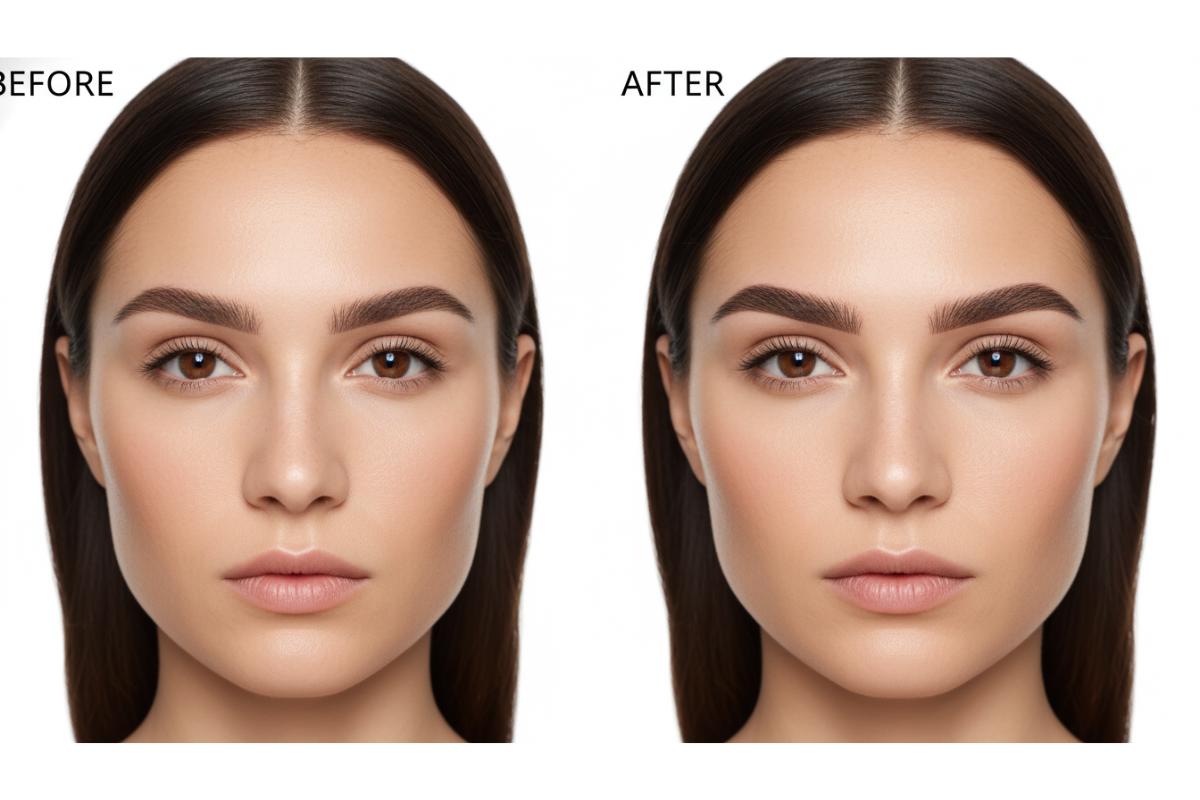
Right After the Appointment
Your eyebrows will look very dark - probably darker than you want. Don't freak out! This is normal. They'll lighten up as they heal.
They might also look a bit red around the edges, like you have a small rash. This goes away in a day or two.
Week 1
The color is still very dark. Your eyebrows might feel a bit tender or tight.
Week 2
Scabbing and flaking start. Your eyebrows might look patchy and weird. This is the ugly phase! Be patient.
Week 3-4
The "milk skin" phase. Your eyebrows look very light, almost like the color is gone. Don't worry!
Week 4-6
The color comes back! Your eyebrows start to look like they will finally look.
After Touch-Up
After your touch-up appointment, you'll have your final, beautiful results!
Final Thoughts
So now you know the answer to "what is microblading" and everything about how it works!
Microblading can be a wonderful solution if you want beautiful eyebrows without daily work. But it's not for everyone. Think carefully about:
- The cost (can you afford it?)
- The aftercare (can you follow the strict rules?)
- The risks (are you comfortable with them?)
- Your health (are you a good candidate?)
If you decide to try it, take your time finding the right artist. Don't rush! Look at lots of portfolios, read reviews, and ask questions.
Remember: your eyebrows are on your face where everyone can see them. You want them to look great! It's worth spending time and money to find the best artist and get the best results.
Book Into our Symetrie Studio SpA
Ready to take the next step? Book a consultation with a qualified permanent makeup artist.
Book Now