Powder Brows Aftercare Guide: Day-by-Day Healing Tips
For people in Lafayette who want low-maintenance brows that survive humidity, sweat, and a busy lifestyle, powder brows have become a popular choice in 2025.
How Do Powder Brows Work?
Your PMU artist uses a specialized handheld machine fitted with a cartridge needle. The needle deposits cosmetic pigment into the upper layers of the dermis, deeper than a tattoo but not as deep as traditional body ink.
The pixelated technique fills the brow gradually, allowing the artist to build density and shade as needed. Most appointments take 2 to 3 hours, including consultation, shaping, and the procedure itself.
What Is the Difference Between Powder Brows and Microblading?
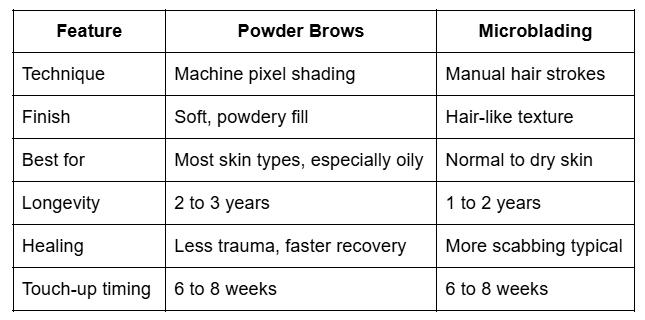
Microblading mimics natural hair and works well for those wanting a defined, realistic look. Powder brows suit a wider range of skin types and tend to hold color longer, particularly on oily or mature skin.
What Are the Benefits of Powder Brows for Different Skin Types?
Powder brows work well across most skin types because the machine deposits pigment more evenly than a manual blade.
For oily skin, the shading technique saturates the skin more effectively, which reduces the fading that often affects microblading results. For dry or mature skin, powder brows deliver a clean, polished finish without the crinkling that sometimes happens with hair-stroke methods.
Combination skin types see excellent retention when aftercare is followed correctly. Your artist at Symetrie Studio Spa can advise you on the best technique for your skin during your consultation.
Who Is a Good Candidate for Powder Brows?
Good candidates for powder brows include people who:
- Have sparse, thin, or overplucked brows
- Want to simplify their daily makeup routine
- Have oily, combination, or mature skin
- Prefer a filled-in brow look over individual hair strokes
- Live an active lifestyle that makes regular brow maintenance inconvenient
People with certain skin conditions, those who are currently pregnant, or those on blood thinners may need to postpone their appointment. A licensed PMU artist will review your health history at your pre-appointment consultation.
Why Is Proper Powder Brows Aftercare So Important?
Many people focus heavily on choosing the right artist but underestimate how much control they actually have over their final results. The truth is, how you care for your brows in the first two weeks determines whether you keep 70% or 90% of your pigment.
Poor aftercare leads to uneven fading, patchiness, prolonged scabbing, and in some cases, infection. On the other hand, following your aftercare instructions carefully means less touch-up work and a more even, long-lasting result.
How Does Aftercare Affect Pigment Retention and Healing?
The skin over your brows goes through a trauma response immediately after your appointment. Your body sends lymph fluid to the area, scabs form, and the top layers of skin begin to shed. All of this is normal. But if you introduce moisture, bacteria, or friction during this process, you risk pulling out pigment before it has fully bonded with the deeper dermis.
Protective aftercare creates the ideal conditions for pigment to settle: a clean, undisturbed environment with minimal moisture, no friction, and limited sun exposure.
What Is the Powder Brows Healing Process?
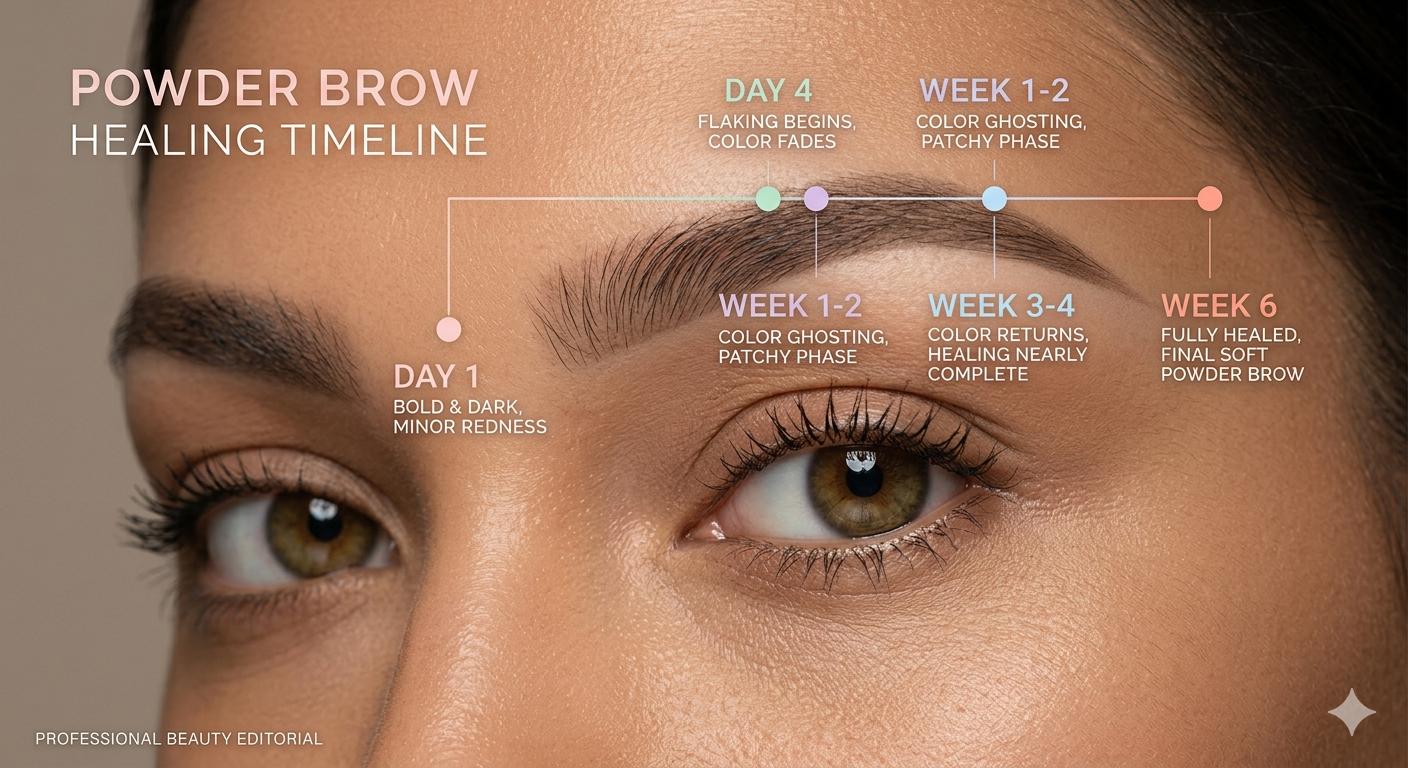
The healing process happens in distinct stages over 4 to 6 weeks. Your brows will look very different at day 2 than they will at day 30, and that is entirely expected.
According to the American Academy of Dermatology, the skin's natural repair process begins within hours of any wound or controlled trauma, and the top layers begin shedding within days. For powder brows, this means visible scabbing and peeling usually start around day 4 to 5 and resolve by day 10 to 14.
The deeper layers of skin continue healing for up to 30 days, which is why your final color does not fully emerge until about 4 to 6 weeks post-procedure.
Powder Brows Pre-Care Instructions Before Your Appointment
What you do in the 1 to 2 weeks before your appointment matters just as much as post-appointment care. Arriving with the right preparation protects your skin and ensures the pigment goes in cleanly.
What Medications and Supplements Should You Avoid Before Powder Brows?
Stop the following at least 1 week before your appointment, or as directed by your PMU artist:
- Blood thinners (aspirin, ibuprofen, naproxen)
- Fish oil, vitamin E, and omega-3 supplements
- Alcohol (at least 24 to 48 hours before)
- Caffeine on the day of the procedure (thins blood and increases sensitivity)
Always consult your physician before stopping any prescribed medication. Never skip prescribed blood thinners without medical guidance.
What Skincare and Brow Treatments Should You Stop Before Your Appointment?
- Retinol or retinoid products: stop 4 weeks before
- Chemical exfoliants (AHAs, BHAs, glycolic acid): stop 2 weeks before
- Brow tinting or waxing: stop 2 weeks before
- Botox in the brow area: stop 4 weeks before
- Chemical peels or laser treatments: stop 4 weeks before
Retinol in particular thins the skin and affects how pigment absorbs, so giving your skin a month's break is important.
What Should You Do the Day of Your Powder Brows Appointment?
On the day of your appointment, arrive with a clean face and no makeup on or around the brow area. Avoid caffeine and alcohol. Eat a light meal beforehand so your blood sugar is stable, which helps manage sensitivity during the procedure.
Wear comfortable clothing and plan for a 2 to 3-hour appointment. Bring a hat or wear SPF if you plan to go outdoors immediately after.
Powder Brows Aftercare Instructions for the First 14 Days
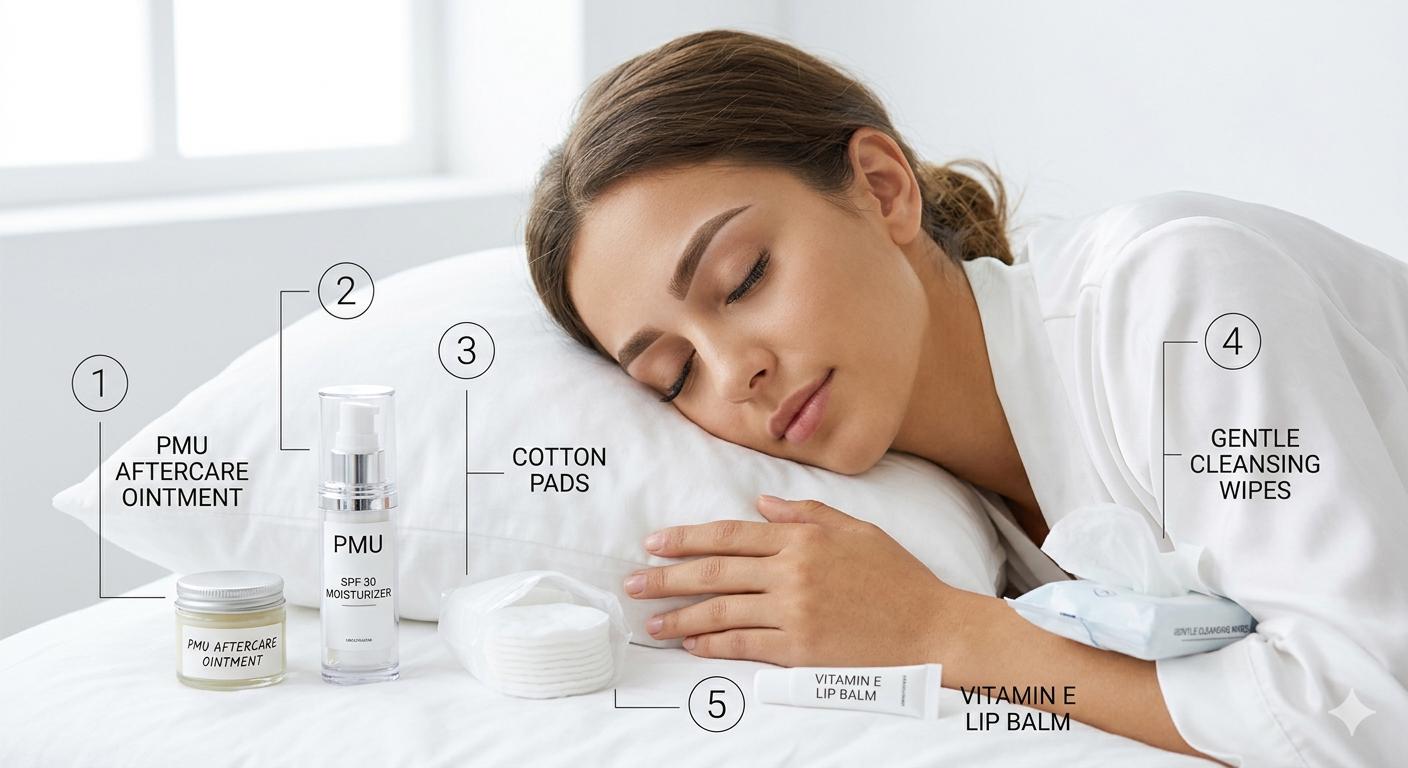
The first 14 days are the most critical part of your powder brows journey. Every decision you make about moisture, cleansing, and sun protection during this window directly affects your final results.
What Are the Differences Between Wet Healing and Dry Healing After Powder Brows?
Wet healing involves applying a thin layer of aftercare ointment to the brows throughout the day to keep the area slightly moisturized. This method reduces surface scabbing and can be more comfortable.
Dry healing means leaving the brows completely untouched after the initial clean in the first 24 hours. No ointment, no moisture. Scabs may form and fall off naturally.
Most PMU artists in Louisiana recommend dry healing for oily skin types because excess moisture can cause pigment to bleed or fade faster on skin that already produces significant sebum. Your artist will tell you which method suits your skin best.
How Should You Handle Lymph Fluid and Weeping in the First Hours?
In the first 2 to 4 hours after your appointment, your brows may weep a clear or slightly yellowish fluid. This is lymph fluid, not infection. Your body is sending healing cells to the area.
Gently blot the fluid every 30 minutes with a clean, dry cotton round or paper towel. Do not rub. Do not leave the fluid to dry undisturbed on the skin, as it can harden into thick, unwanted scabbing.
How Do You Keep Your Brows Dry During Healing?
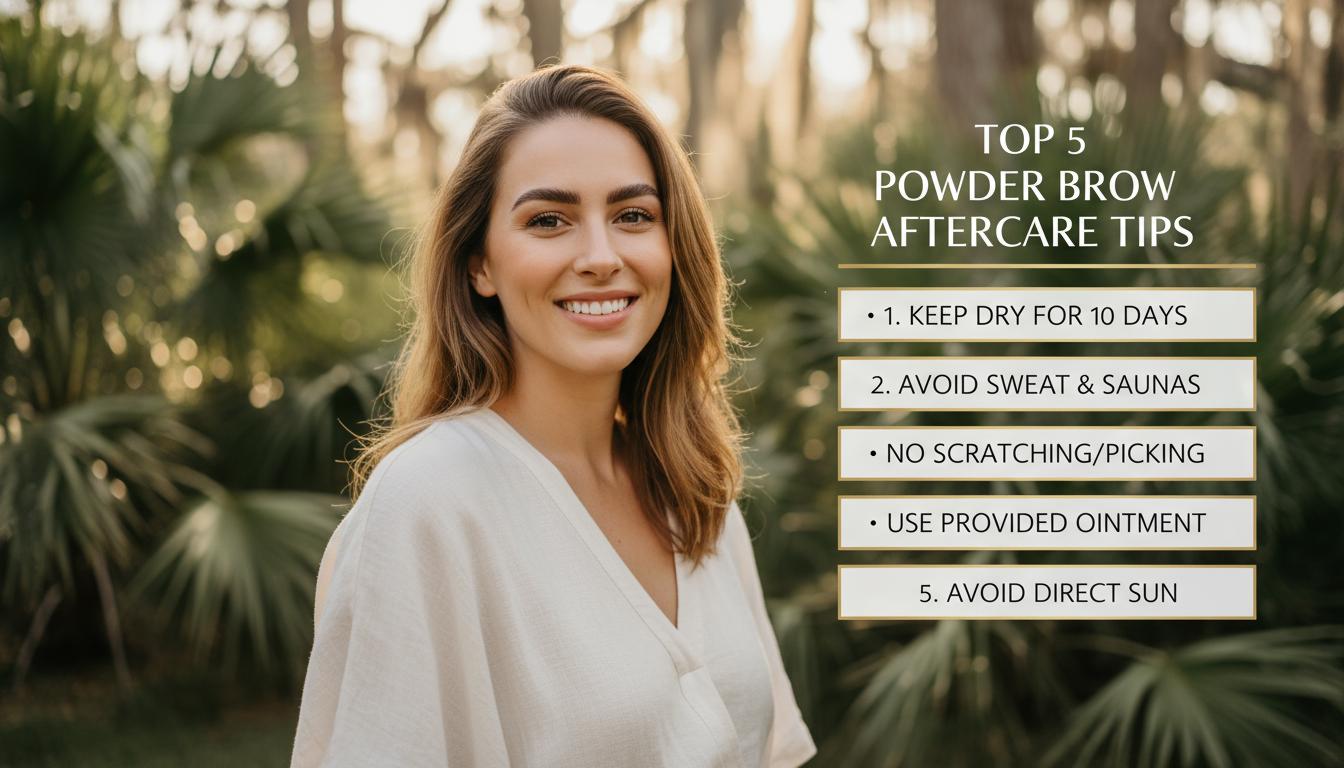
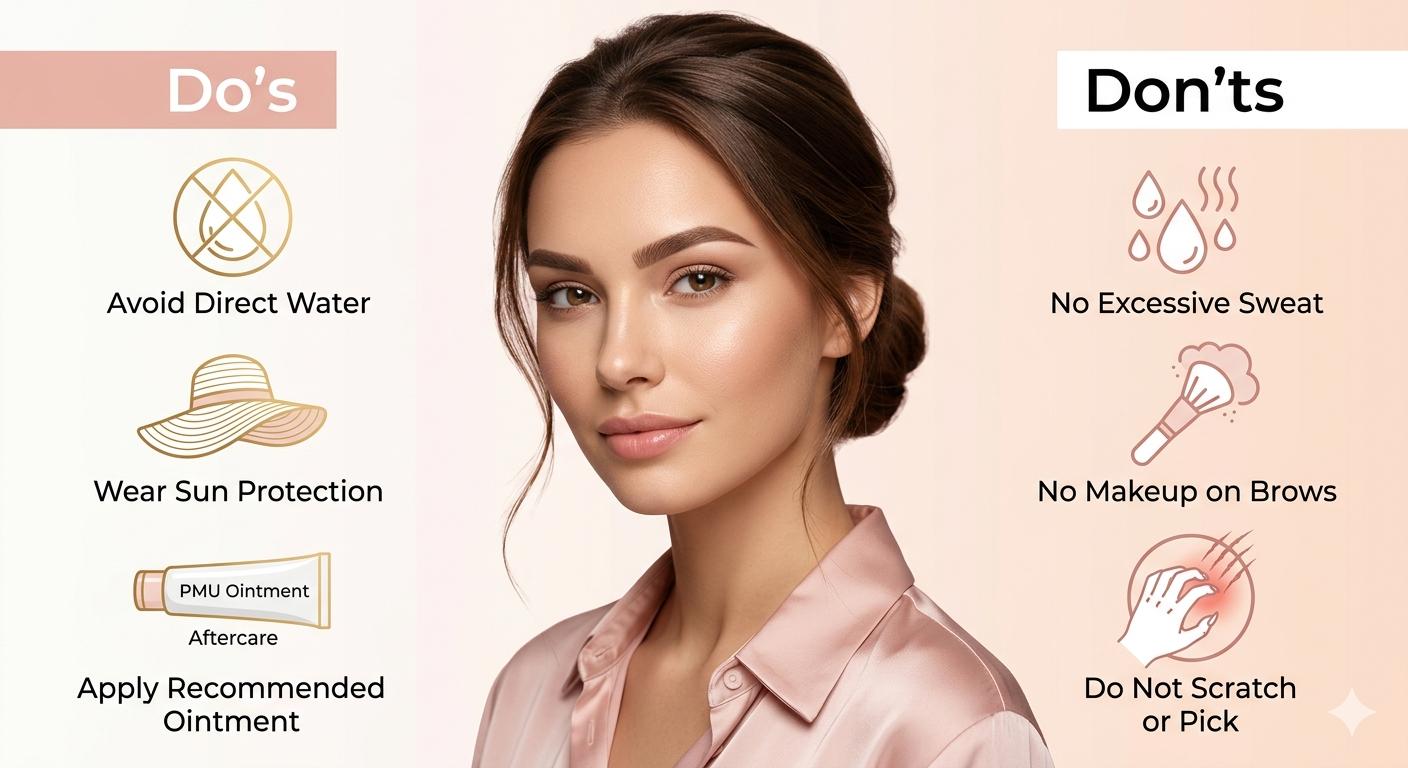
Avoid all water contact on your brows for the first 10 days. This includes rain, sweat, and splashing water while washing your face.
When washing your face, use a damp cloth or cotton rounds to carefully clean around the brow area without touching the brows themselves. You can also apply a thin layer of Vaseline to the brows before washing your face to create a brief water barrier.
How Do You Shower Without Wetting Your Brows?
Tilt your head back while shampooing to prevent water from running down your forehead. Use a washcloth on your face instead of standing under the showerhead directly.
Many clients find it easier to wash their hair in the sink or use a shower visor during the first 10 days. It sounds like extra effort, but it genuinely makes a measurable difference in pigment retention.
Book Into our Symetrie Studio Spa
Ready to take the next step? Book a consultation with a qualified permanent makeup artist.
Book Now
Why Should You Avoid Sweating and Heat Exposure?
Sweat is salty, acidic, and highly disruptive to healing brow pigment. Even a short workout that causes significant sweating can push pigment out of the skin before it has fully bonded.
Avoid any exercise that raises your heart rate significantly for at least 10 days. Light walking is generally fine, but gyms, spin classes, hot yoga, and outdoor runs in Louisiana's heat should wait.
Why Should You Avoid Swimming, Saunas, and Steam Rooms?
Pool water contains chlorine, which actively breaks down PMU pigment. Saltwater from the ocean has a similar effect. Steam and sauna heat open the pores and increase perspiration, both of which work against pigment bonding.
Stay out of pools, hot tubs, saunas, and steam rooms for a minimum of 4 weeks after your powder brows appointment.
How Do You Clean Powder Brows Properly?
If your artist recommends wet healing, clean your brows once or twice daily using a gentle method:
- Wash your hands thoroughly before touching the brow area.
- Dampen a cotton round with sterile saline solution or distilled water.
- Gently dab (never rub) across the brow to remove any dried lymph or debris.
- Pat dry with a clean, dry cotton round immediately after.
- Apply a pea-sized amount of aftercare ointment if your artist recommends it.
Never use tap water directly on healing brows in the first 10 days. Tap water contains chlorine and other minerals that can interfere with healing.
How Should You Apply Aftercare Ointment the Right Way?
Less is more when it comes to aftercare ointment. A thin, translucent layer is all you need. Applying too much smothers the skin, prevents it from breathing, and can cause pigment to pull out when the excess ointment is removed.
Apply ointment with a clean cotton swab or your freshly washed fingertip. Use it sparingly, usually 2 to 3 times per day unless your artist specifies otherwise.
Commonly recommended ointments include fragrance-free Aquaphor or a PMU-specific healing balm recommended by your artist.
Why Should You Never Pick or Scratch Scabs After Powder Brows?
Picking or scratching scabs pulls out pigment that has not yet fully bonded to the deeper skin layers. Each scab that forms over your brows contains pigment within it. Removing it prematurely removes color.
If itching becomes uncomfortable, resist the urge to scratch. Instead, pat the area very lightly with a clean fingertip. Never apply ice directly to the brows.
Should You Avoid Makeup Around the Brows During Healing?
Yes. Keep all makeup, including foundation, concealer, and eyebrow pencil, completely away from the brow area for the first 14 days.
Makeup products contain preservatives, fragrances, and oils that can irritate healing skin and introduce bacteria to a vulnerable area. Your brows will look darker than the final result in the first week, so resist the urge to fill them in or adjust their appearance.
What Skincare Ingredients Should You Avoid After Powder Brows?
During the first 4 weeks, keep the following ingredients away from your brow area:
- Retinol and retinoids
- Alpha hydroxy acids (glycolic acid, lactic acid)
- Beta hydroxy acids (salicylic acid)
- Benzoyl peroxide
- Vitamin C serums
- Chemical exfoliants of any kind
These ingredients accelerate skin cell turnover and will fade your pigment faster than normal. After 4 weeks, you can resume your regular skincare routine, but apply retinol products below and away from the brow bone.
What Facial Treatments Should You Avoid After Powder Brows?
Avoid the following for at least 4 weeks:
- Chemical peels
- Microdermabrasion
- Laser treatments (any kind)
- RF or ultrasound skin tightening
- Facials involving steam or extraction
All of these treatments affect the superficial layers of skin where your brow pigment lives. They can cause significant fading, color shifting, or uneven patches if done too soon after powder brows.
How Do You Protect Healing Brows From Sun Exposure?
UV exposure is one of the leading causes of premature pigment fading in healed powder brows. During healing, the skin is especially vulnerable.
Avoid direct sunlight on your brows for the first 4 weeks. Wear a hat or visor when outdoors. After your brows are fully healed, always apply a mineral SPF 30 or higher to the brow area before sun exposure.
What Is the Best Sleeping Position After Powder Brows?
Sleep on your back for the first 7 to 10 days. Sleeping face-down or on your side presses your brows against a pillowcase, which causes friction and transfers moisture from your pillow to the healing area.
Use a clean pillowcase each night and consider placing a travel pillow around your head to remind yourself not to roll over during sleep.
Powder Brows Aftercare Day by Day
Powder Brows Aftercare: Day 1
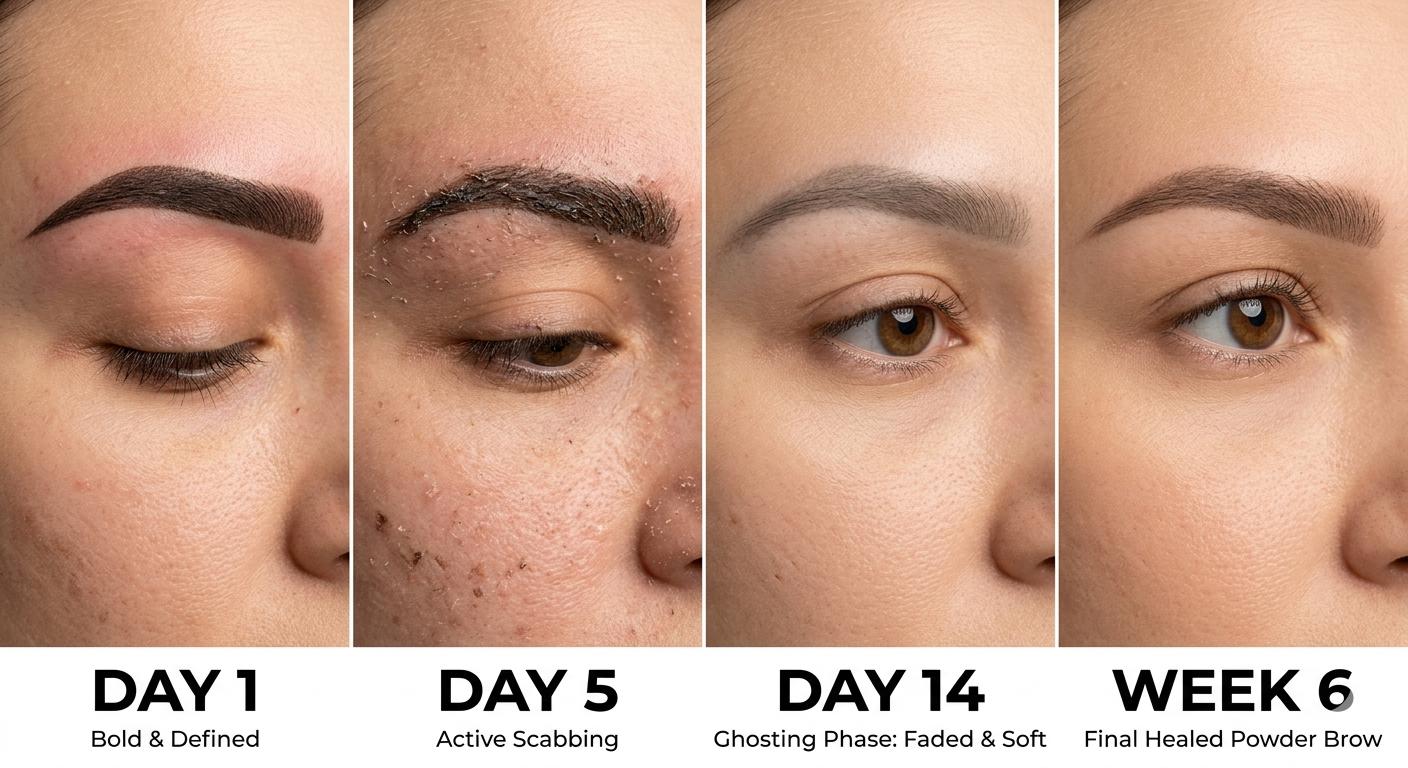
Your brows will look bold, dark, and slightly swollen. This is normal. Blot lymph fluid gently every 30 to 60 minutes using a clean, dry cotton round. Follow your artist's instructions on whether to apply ointment. Keep the area completely dry and away from all products.
Powder Brows Aftercare: Days 2 to 3
Swelling should reduce. Your brows may still look very dark. The skin around them may feel tight or slightly tender. Continue blotting as needed and avoid any water contact. Some people experience mild redness around the brow area during these days.
Powder Brows Aftercare: Days 4 to 7
Light scabbing begins. Your brows may start to flake slightly at the edges. Continue keeping them dry. Resist all urges to pick at any flaking skin. The color may start to look uneven as different areas flake at different rates. This is completely normal.
Powder Brows Aftercare: Week 2
Most surface scabbing should resolve. Your brows may suddenly look very light or washed out. This is the beginning of the ghosting phase. Continue protecting from sun exposure, avoid heavy skincare products around the brows, and do not panic about the light appearance.
Powder Brows Aftercare After 30 Days
By day 30, your brows should look significantly more settled. The color is returning and softening. Any remaining unevenness will be addressed at your 6 to 8-week touch-up appointment. You can begin reintroducing normal skincare gradually, keeping retinol away from the brow area.
Powder Brows Healing Stages Explained
Understanding exactly what is happening under your skin at each stage makes the healing process far less stressful. Think of it like watching a photo develop. The final image takes time to appear.
Days 1 to 4: Dark Brows and Mild Swelling
Fresh pigment appears very dark because it sits on top of the skin, not within it yet. Mild swelling is normal due to the trauma of the procedure. During these days, your lymphatic system is actively working, which is why the area may feel warm or tender to the touch.
Days 5 to 10: Scabbing, Flaking, and Dryness
The outer layers of skin begin to shed, taking some surface pigment with them. You may notice thin, dry patches or light flaking at the edges of your brows. This is a healthy sign that your skin is regenerating. The area may feel dry or tight, which is normal.
Days 11 to 14: The Ghosting Phase
- Why Do Powder Brows Look Faded or Patchy After Peeling?- After peeling, the brows often look dramatically lighter than expected. Some areas may appear almost invisible. This happens because a thin layer of new skin has grown over the pigment, temporarily muting its appearance. The pigment has not disappeared; it is simply beneath a translucent layer of regenerated skin.
- What Should You Expect as Pigment Slowly Returns?- Over the following 2 to 3 weeks, as that new skin layer matures and becomes more transparent, the pigment beneath will gradually re-emerge. The color will soften from the original bold shade into a more natural, powdery finish. Most clients see significant color return between weeks 3 and 4.
Weeks 3 to 4: Color Resurfacing and Soft Powder Finish
The pigment begins to show through the healed skin with a softer, more natural appearance. Any patchiness that concerned you during the ghosting phase will largely correct itself. This is when most clients finally breathe a sigh of relief.
Weeks 4 to 6: Fully Healed Powder Brows
By week 4 to 6, your brows have reached their final healed color. The result should look like a soft, filled-in brow with a natural gradient. Any remaining gaps or uneven areas are addressed at your scheduled touch-up appointment.
Book Into our Symetrie Studio Spa
Ready to take the next step? Book a consultation with a qualified permanent makeup artist.
Book Now
What to Avoid After Powder Brows
Can You Get Powder Brows Wet?
Not in the first 10 days. Water introduces bacteria and disrupts the scabbing process that locks in pigment. After day 10, gentle water contact is fine, but avoid soaking, submerging, or exposing brows to high-pressure water such as a direct shower stream.
Can You Exercise After Powder Brows?
Light walking is acceptable. Any exercise that causes significant sweating should be avoided for at least 10 days. Sweat is particularly damaging to healing powder brows because of its salt and acid content.
Can You Wear Makeup After Powder Brows?
Avoid makeup in and around the brow area for a full 14 days. For the rest of the face, you can wear makeup carefully, keeping it away from the brow zone. After 14 days, you may gently resume brow makeup if needed, though most clients find they no longer need it.
Can You Use Retinol or Chemical Exfoliants?
Stop all retinol and exfoliant use 4 weeks before your appointment and for 4 weeks after. These ingredients accelerate cell turnover, which will fade your pigment faster than normal.
Can You Go in the Sun After Powder Brows?
Limit direct sun exposure for 4 weeks after your appointment. After healing, always apply mineral SPF 30 or higher to your brows before spending time outdoors. UV exposure is the number one long-term cause of powder brow fading.
Can You Get Facials, Laser, or Botox After Powder Brows?
Wait at least 4 weeks for facials. Wait at least 6 weeks for laser treatments. For Botox near the brow area, consult with your PMU artist, but most recommend waiting at least 4 weeks in either direction.
What Foods, Habits, and Activities May Affect Healing?
- Alcohol: thins the blood and slows healing; avoid for at least 24 to 48 hours
- Spicy foods: may increase flushing and blood flow to the skin
- Smoking: slows healing and affects pigment retention
- Stress: can affect immune response and healing speed
- Caffeine in excess: increases sensitivity during and after the procedure
What Are the Signs Your Powder Brows Are Healing Properly?
Is Normal Scabbing and Peeling After Powder Brows Expected?
Yes. Light to moderate scabbing and peeling between days 4 and 10 is a healthy part of the healing process. Scabs should be thin and flake off naturally. Heavy, thick, wet-looking scabs can be a sign of over-moisturizing.
Why Do Powder Brows Look Too Dark at First?
The pigment appears dark in the first few days because it is sitting on the surface of the skin, not yet integrated into the dermis. As the outer layer of skin heals and sheds, the color softens significantly.
When Are Flaking and Itching Considered Normal?
Mild itching is normal between days 5 and 10 as new skin regenerates. Light flaking and peeling are also expected. Resist scratching. Severe itching, hot skin, or excessive redness beyond day 5 should be evaluated.
What Are the Signs of Infection or Improper Healing?
Contact your PMU artist or a medical professional immediately if you notice:
- Increasing redness or swelling after day 3
- Hot skin or significant warmth around the brows
- Oozing with a yellow or green color (as opposed to clear lymph fluid)
- Fever
- Blistering or a rash beyond the brow area
When Should You Contact Your Brow Artist?
Contact your artist if you experience any of the above signs of infection, if your brows look completely uneven after week 4, or if you have questions about your specific healing progress. Good PMU artists welcome follow-up questions between appointments.
Powder Brows Aftercare for Oily, Dry, and Sensitive Skin
How Do Powder Brows Heal on Oily Skin?
Oily skin produces excess sebum, which can push pigment out of the skin as it heals. People with oily skin often experience more fading after the first session and may need a slightly denser application during touch-up.
Why Is Dry Healing Often Recommended for Oily Skin?
Adding moisture to skin that already produces significant oil creates an environment where pigment cannot bond effectively. Dry healing, where no ointment is applied, allows oily skin to manage its own moisture levels without creating excess.
How Do Powder Brows Heal on Dry Skin?
Dry skin tends to scab more and may feel uncomfortable during the healing phase. The scabbing can be thicker, which means more pigment can be lost as scabs detach.
Why May Wet Healing Work Better for Dry Skin?
Applying a thin layer of fragrance-free ointment keeps the skin from over-drying and forming thick scabs. This approach keeps the skin surface supple enough that scabs stay thin and fall off more gently, preserving more pigment.
How Do Powder Brows Heal on Sensitive Skin?
Sensitive skin may react with more redness and mild swelling than average. The healing window may feel more uncomfortable, though the actual pigment retention is often excellent.
Use the most fragrance-free, minimal-ingredient products available. Avoid any skincare with alcohol, essential oils, or fragrance near the brow area during healing.
What Tips Help With Better Pigment Retention on Different Skin Types?
- Oily skin: use dry healing, avoid heavy makeup around brows, and schedule touch-ups slightly earlier if your artist recommends it
- Dry skin: apply thin ointment as directed, stay out of air-conditioned rooms that further dehydrate the skin
- Sensitive skin: patch test any recommended aftercare product before full application, and notify your artist of all known sensitivities before your appointment
Powder Brows Aftercare Tips for Lafayette, LA Weather
If you live in Louisiana, the local climate creates specific challenges for healing powder brows that clients in cooler, drier climates simply do not face.
How Do You Manage Sweat and Humidity in Lafayette, Louisiana?
Lafayette's heat and humidity mean your skin will naturally perspire more during recovery, even without exercise. Try to stay in air-conditioned environments as much as possible during the first 10 days.
Keep clean, dry cotton rounds with you when going outdoors if you notice any sweat on or around your brows, gently blot immediately.
How Does High Humidity Affect Lymph Weeping and Drying Time?
High humidity slows down the drying of lymph fluid on the skin's surface. In humid conditions, the weeping phase may last slightly longer than it would in a drier climate, and your brows may take an extra day or two to begin the scabbing stage.
This is normal in Louisiana, so do not be alarmed if your timeline differs slightly from what you read for clients in other regions.
How Do You Protect Your Brows From Louisiana Sun Exposure?
Louisiana averages high UV index levels from spring through fall. Even short periods of direct sunlight exposure in the first 4 weeks post-procedure can significantly fade your pigment.
Always wear a wide-brim hat when outdoors. Once your brows are fully healed, apply mineral SPF 30 or higher to the brow area daily before leaving the house.
How Can Hot Weather Affect Powder Brows Healing?
Heat causes pores to open and increases circulation to the skin's surface. Both effects work against pigment retention in healing brows. The warmer the environment, the more important it is to stay in cool, low-humidity conditions during the first 10 days.
Schedule your powder brows appointment for a time when you can work from home or stay indoors for most of the first week, if possible.
Book Into our Symetrie Studio Spa
Schedule your powder brows appointment for a time when you can work from home or stay indoors for most of the first week, if possible.
Book Now
What Are the Best Products for Powder Brows Aftercare?
What Aftercare Ointments Are Recommended?
- Fragrance-free Aquaphor Healing Ointment
- PMU-specific healing balms (recommended by your individual artist)
- Fragrance-free petroleum jelly (plain Vaseline)
Avoid any ointment with fragrances, essential oils, or active ingredients. Simpler is better.
What Gentle Cleansers Work for Healing Brows?
- Sterile saline solution (preservative-free)
- Fragrance-free micellar water applied with a cotton round
- Distilled water
Avoid all foaming cleansers, gel cleansers, and anything containing exfoliants or fragrance near the brow area.
What SPF Products Are Safe for Healed Powder Brows?
After your brows are fully healed (4 to 6 weeks), look for:
- Mineral sunscreens with zinc oxide or titanium dioxide
- SPF 30 or higher
- Fragrance-free formulas
Chemical sunscreens are fine for healed brows, but check for any acids in the formulation.
What Skincare Products Should You Avoid During Healing?
- Any product containing retinol, retinoids, or vitamin A derivatives
- AHAs and BHAs (glycolic, salicylic, lactic acid)
- Vitamin C in high concentrations
- Alcohol-based toners or astringents
- Facial oils directly on the brow area
Long-Term Powder Brows Maintenance Tips
How Can You Make Powder Brows Last Longer?
According to research from the Society of Permanent Cosmetic Professionals, proper aftercare and sun protection are the two most significant factors in how long PMU results last. Beyond the healing phase, the following habits extend the life of your powder brows:
- Apply SPF daily to your brows before sun exposure
- Avoid retinol products directly over the brow area
- Schedule touch-up appointments as recommended by your artist
- Stay hydrated and maintain healthy skin overall
Why Is Daily SPF Protection Important for Powder Brows?
UV radiation breaks down pigment molecules in the skin over time. Without daily protection, most powder brows will begin fading noticeably within 12 to 18 months. With consistent SPF use, many clients see beautiful results for up to 3 years before needing a refresh.
What Causes Premature Pigment Fading?
- Sun exposure without SPF
- Retinol or exfoliant use over the brow area
- Frequent swimming in chlorinated pools
- Very oily skin without scheduled touch-ups
- Laser treatments near the brow area
How Often Do Powder Brows Need Refreshing?
Most powder brows last 2 to 3 years with good care. A color refresh appointment (a lighter version of a full session) can be scheduled every 1.5 to 2 years, depending on how your particular skin holds pigment.
Your PMU artist at Symetrie Studio Spa's permanent brows page can assess your brows at each touch-up and recommend the right refresh timeline for your skin type and lifestyle.
Powder Brows Touch-Up Guide
Why Is a 6 to 8 Week Touch-Up Appointment So Important?
The initial powder brows session lays the foundation. But everyone's skin heals differently, and pigment retention varies from person to person. The 6 to 8 week touch-up is where your artist fine-tunes the shape, fills in any patchiness, and adds density where the pigment faded more than expected.
Skipping this appointment often leads to uneven results that become more noticeable over time.
What Happens During a Powder Brows Touch-Up Appointment?
Your artist will review your healed results and compare them to your original shape and color goals. They will address any areas that healed unevenly, adjust the shade if needed, and add additional pigment where fading occurred.
The touch-up appointment is typically shorter than the initial session, usually 1 to 2 hours, and requires the same aftercare steps as your first appointment.
What Signs Suggest You May Need Additional Color Correction?
- Significant patchiness that did not correct itself by week 6
- Color shifting to a gray or orange tone (may indicate the wrong pigment formula was used)
- Brow shape that healed asymmetrically
- Loss of more than 30 to 40% of the original color
Bring reference photos of your brows from right after your appointment versus now, when you attend your touch-up. This helps your artist assess what corrective steps are needed.
Common Powder Brows Aftercare Mistakes to Avoid
What Happens If You Overwash the Brows?
Washing the brows too frequently introduces excessive moisture and can physically disrupt the surface scabbing that protects healing pigment. If your artist recommends wet healing, once or twice daily is sufficient. More than that does more harm than good.
How Does Applying Too Much Ointment Affect Healing?
A thick layer of ointment smothers the skin. Instead of breathing and healing normally, the surface stays too moist, which can cause pigment to migrate or pull out when the excess product is removed. Always apply a thin, translucent layer.
Why Is Returning to Exercise Too Soon a Problem?
Heavy exercise causes sweating. Sweat carries salt and acids directly into the healing brow area. Even 20 minutes of intense exercise in the first week can lead to noticeable pigment loss that requires additional correction at your touch-up appointment.
What Damage Can Picking at Scabs or Flaking Skin Cause?
Each scab contains pigment. Removing it before it is ready to fall off naturally removes color from your brows. This is the most common cause of patchiness after powder brows, and it is 100% preventable.
Why Should You Always Follow Your Brow Artist's Instructions?
Your PMU artist assessed your skin type, chose a specific pigment formula, and knows exactly how your individual skin tends to heal. Generic aftercare advice online may conflict with what is best for your specific skin. When in doubt, always call your artist before making any changes to your aftercare routine.
Choosing a Powder Brows Artist in Lafayette, LA
What Should You Look for in a Licensed PMU Artist?
- State licensing in Louisiana (required for permanent makeup application)
- Completed training from a recognized PMU academy
- A portfolio showing healed results (not just fresh-done photos)
- Clean, professional studio environment
- Willingness to conduct a thorough pre-appointment consultation
Fresh photos look beautiful in almost anyone's hands. The real skill shows in how healed results look, so always ask to see healed brows before booking.
What Questions Should You Ask Before Your Powder Brows Appointment?
- What pigment brand do you use, and is it organic or iron-oxide based?
- What aftercare method do you recommend for my skin type?
- Do you offer a complimentary touch-up, or is it a separate fee?
- Can I see healed results from clients with skin similar to mine?
- What is your protocol if I experience an adverse reaction?
Why Does Professional Aftercare Guidance Matter?
Professional guidance matters because no two clients heal the same way. A licensed artist can look at your skin, assess your healing, and catch potential problems early. Following generic internet advice without personalized guidance is where most aftercare mistakes happen.
Why Is Viewing Healed Powder Brows Results Important?
Healed results tell you what your long-term outcome will realistically look like. Fresh photos capture the pigment before any of the natural fading has occurred. A skilled artist will proudly share healed photos from satisfied clients. If a studio's portfolio only shows fresh results, ask specifically for healed photos before booking.
Frequently Asked Questions About Powder Brows Aftercare
How Long Does Powder Brows Healing Take?
Full healing takes 4 to 6 weeks. Surface scabbing resolves within 10 to 14 days, but the deeper layers of skin continue maturing for up to 30 days. Your final healed color emerges around weeks 4 to 6, which is why the touch-up is scheduled at 6 to 8 weeks.
What Is the Difference Between Wet Healing and Dry Healing?
Wet healing involves applying a thin ointment to keep the area slightly moist throughout the day. Dry healing means leaving the brows completely untouched after an initial gentle clean. Your PMU artist will recommend the method best suited to your skin type. Oily skin typically heals better dry; dry skin often benefits from light moisture.
What Is the Ghosting Phase After Powder Brows?
The ghosting phase occurs between days 11 and 14, when a thin new layer of skin grows over the healed brow area and temporarily mutes the pigment. Brows appear very light, faded, or almost invisible. This is normal and temporary. Color returns gradually over the following 2 to 3 weeks.
When Can I Wash My Face Normally Again?
You can resume gentle face washing around the brow area after day 10. A full return to your normal cleansing routine, including using your regular cleanser all over your face, is generally safe after 14 days. Continue avoiding active ingredients like retinol and AHAs near the brow area for 4 weeks.
When Can I Wear Makeup After Powder Brows?
Wait a full 14 days before applying any makeup in or directly around the brow area. After 14 days, most clients find that their powder brows already provide enough definition that additional brow makeup is unnecessary.
Is Scabbing Normal After Powder Brows?
Yes. Light scabbing and flaking between days 4 and 10 is a healthy part of the healing process. Thin, dry flakes are expected. Thick, wet, or oozing scabs are not normal and may indicate over-moisturizing or infection.
When Will My Powder Brows Look Natural?
Most clients see natural-looking results by weeks 4 to 6. The initial bold, dark appearance softens significantly after peeling, and the final healed color is usually 30 to 40% lighter than the color applied at your appointment.
How Long Do Powder Brows Last?
With proper aftercare and daily SPF use, powder brows typically last 2 to 3 years. Skin type, sun exposure, skincare habits, and the specific pigment formula used all affect longevity. Annual or biannual color refreshes help maintain the look between full sessions.
Can I Exercise After Powder Brows?
Light walking is fine. Any exercise that causes significant sweating should be avoided for at least 10 days. Sweat disrupts the healing process and can cause premature pigment fading.
What Happens If I Accidentally Wet My Brows?
Pat them dry immediately and gently with a clean dry cotton round. Do not rub. One brief water exposure is unlikely to cause major damage, but repeated or prolonged exposure will affect your results. If it happens, contact your artist to let them know and follow any additional guidance they provide.
Final Thoughts on Powder Brows Aftercare and Healing in Lafayette, LA
Your powder brows aftercare routine is the difference between results you love and results that disappoint. The procedure itself takes a few hours. But the healing process takes weeks, and every choice you make during that window matters.
Living in Lafayette means accounting for Louisiana's heat, humidity, and intense sun. Plan your appointment for a time when you can stay cool and indoors for the first week. Protect your brows from the sun daily once healed. Follow your artist's specific guidance above everything else.
The good news is that powder brows are one of the most forgiving PMU techniques when aftercare is followed correctly. The ghosting phase ends, the color returns, and the soft powder finish that makes this technique so popular becomes exactly what you imagined.
If you are ready to experience beautiful, low-maintenance brows designed for your lifestyle and skin type, book your consultation at Symetrie Studio Spa today. Our licensed PMU artists in Lafayette, LA, will walk you through every step, from your pre-appointment prep to your final healed results. Call us to schedule your appointment and get the brows you have been wanting.
Book Into our Symetrie Studio Spa
Schedule your powder brows appointment for a time when you can work from home or stay indoors for most of the first week, if possible.
Book Now