Permanent Makeup: Expert Techniques, Safety, and Aftercare for Natural Results
Permanent makeup — also called cosmetic tattooing or micropigmentation — enhances facial features by depositing pigment into the dermis for long-lasting, natural definition. This guide walks you through how each common technique works, why results look the way they do, and what to expect for longevity, comfort, and aftercare. Many clients want to save time while keeping a subtle, believable look; knowing which method suits your skin type, lifestyle, and safety needs answers those questions. We cover the essentials — eyebrow options like microblading, nano, powder and combo brows, plus lip blushing, permanent eyeliner, and 3D areola restoration — and explain healing timelines, pain management, pigment choices, and customization. If you’re planning a change, this piece will help you choose the approach that best supports your goals in Lafayette and Youngsville. Keep reading to learn how each method is done, how to care for your results, and who benefits most from each technique.
What Are the Key Permanent Makeup Techniques Explained?
Techniques differ by tool, pigment placement, and the look they create. Each method deposits color at a controlled depth to achieve hair-like strokes, soft shading, or true-to-tone restoration. Microblading creates fine hair strokes; powder and micro-shading give a filled or powdered finish; nano brows use ultra-fine needles for precise strokes; combo brows blend strokes and shading; lip blushing builds layered tint and definition; permanent eyeliner defines the lash line or creates a liner look; and 3D areola restoration rebuilds natural color and texture after surgery. Knowing how pigment, needle or cartridge type, and depth interact helps predict how long results last and when touch-ups are needed. Below is a quick overview of each method and its main benefits so you know what to expect before we dive deeper.
Permanent makeup techniques and their primary benefits:
- Microblading: Produces crisp, hair-like strokes for natural eyebrow definition and reshaping.
- Powder brows: Creates soft, filled shading that mimics makeup and is well suited to oily or mature skin.
- Nano brows: Uses ultra-fine needles or cartridges for ultra-precise strokes that resemble natural hairs.
- Combo brows: Combines strokes and shading to increase density while keeping texture.
- Lip blushing: Deposits layered pigment to enhance lip color, shape, and perceived fullness.
- Permanent eyeliner: Defines the lash line or delivers a lasting liner for low-maintenance eye enhancement.
- 3D areola restoration: Recreates areola color and three-dimensional appearance after surgery to restore confidence.
These brief descriptions set the stage for side-by-side comparisons and help you match method to skin type and aesthetic goals — starting with microblading versus powder brows below.
How Do Microblading and Powder Brows Differ for Natural-Looking Eyebrows?
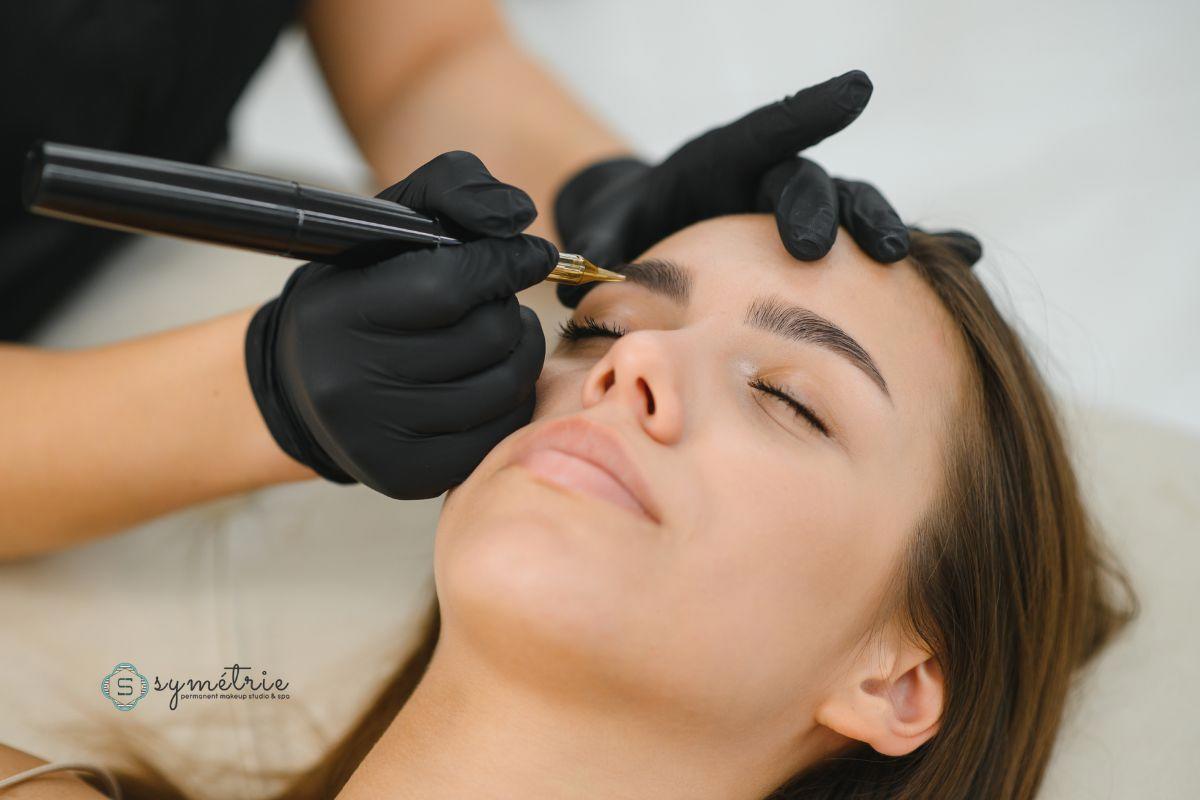
Microblading and powder brows both enhance brows but use different techniques and pigment placement. Microblading is a hand-tool method that lays crisp hair-strokes just under the skin’s surface, blending with natural hairs for a textured, realistic look — ideal for dry to normal skin. Powder brows use a machine or nano device to deposit pigment in a stippled or shaded pattern, producing a soft, filled appearance that holds up better on oily or mature skin where strokes can blur. Both need a touch-up — microblading may require more frequent maintenance because the strokes sit more superficially, while powder shading tends to retain color a bit longer. Your skin type, hair density, and desired upkeep schedule guide the best choice, and nano or combo techniques can offer a middle ground of precision and durability.
How Does Symétrie Ensure Safety and Effective Aftercare for Permanent Makeup?
Studio safety and aftercare directly influence healing, pigment retention, and complication risk. At Symétrie Permanent Makeup Studio & Spa we prioritize medical-grade products, licensed artists, and clear client education to reduce adverse outcomes. This section outlines the concrete steps we take to lower infection and allergy risk, explains numbing and comfort measures, and gives a practical aftercare plan you can follow to protect your results. Below are the most important safety steps and why they matter, followed by a quick summary of studio practices and benefits.
Symétrie-focused safety and hygiene measures include:
- Medical-grade pigment selection: Chosen for stability and reduced risk of allergic response.
- Single-use disposable cartridges and needles: Used for every client to prevent cross-contamination.
- Licensed, trained artists: Ensure consistent depth control and accurate color matching.
- Controlled treatment environment: Clean, clinical spaces that support safe healing.
These precautions build trust and lead into the studio’s specific standards and the practical aftercare timeline clients should follow after treatment.
Following these studio practices reduces complications and supports better healed results. Next, we outline the immediate aftercare steps clients should follow to preserve outcomes.
What Medical-Grade Standards and Hygiene Practices Are Followed?
Our medical-grade approach focuses on product sourcing, disposability, and practitioner qualifications so every client receives a reproducible, safe result. Symétrie selects pigments with proven safety profiles, uses single-use needles and cartridges to eliminate cross-client contamination, and requires ongoing training so artists maintain consistent depth and saturation. Licensing and continuing education help our team identify contraindications during consultation and minimize variability in results. These clinical practices lower infection and allergic reaction risks and prepare clients to follow a clear aftercare plan that supports pigment settling and lasting aesthetics.
How Should Clients Care for Their Permanent Makeup to Maximize Longevity?
Your aftercare is the most important factor in a successful outcome. It controls scab formation, pigment retention, and final color development during the critical first eight weeks. Right after treatment, follow gentle cleansing directions, avoid soaking the area, and apply recommended barrier ointment for the first few days. Once initial healing is complete, sunscreen becomes essential to prevent premature fading. We typically schedule a touch-up at 6–8 weeks to perfect color and shape. Sticking to this timeline lowers complications and extends the interval between future maintenance visits.
This timeline sets realistic expectations and helps you plan recovery — unlike providers who pitch a single, final session up front.
Which Permanent Eyebrow Techniques Deliver the Best Customized Results?
Choosing the right brow technique means matching mechanics to your anatomy and goals. Nano, microblading, powder, and combo approaches each balance precision, texture, and longevity differently. Nano brows use ultra-fine cartridges or needles to create micro-strokes that mimic individual hairs and are excellent for a delicate, realistic finish. Combo brows pair hair-like strokes at the front with soft shading toward the tail to add density without losing texture. Powder brows offer a gradient, makeup-like look that’s durable on oily or mature skin because the pigment sits a touch deeper. Below is a comparison to help you weigh method, ideal candidate, and expected longevity so you can make an informed choice.
What Are the Benefits of Nano Brows and Combo Brows at Symétrie?
Nano and combo brows offer complementary advantages. Nano brows create ultra-precise strokes that heal to look like natural hair, great for rebuilding sparse areas. Combo brows layer strokes with subtle shading to build fullness without a heavy makeup effect. At Symétrie we use precision tools and conservative pigment layering to enhance your natural anatomy, creating texture and depth that age gracefully. Many clients choose nano for subtle reconstruction and combo when they want density plus realism. Knowing these benefits helps set realistic expectations for maintenance and touch-up frequency based on your lifestyle and skin behavior.
Who Is the Ideal Candidate for Each Eyebrow Technique?
Matching your profile to the right technique reduces the chance of disappointment and supports predictable healing. Dry to normal skin with some visible hair often fares well with microblading, while oily or mature skin usually benefits from powder or combo methods that resist blurring. Clients with very sparse brows or previous tattoos may prefer nano or combo techniques, where precision and shading can balance inconsistencies. Age, activity level, and cosmetic goals also influence the best method — for example, active clients who sweat frequently may favor powder or combo for longer retention. We identify these traits during consultation and refine the design in our pre-draw process.
How Is Permanent Eyeliner Applied and Customized for Different Styles?
Permanent eyeliner ranges from subtle lash-line enhancement to full winged liner. Each style places pigment at a controlled depth to balance definition and healing. Lash-line enhancement deposits pigment between lash roots for the appearance of thicker lashes, while full or winged liners cover more surface area and require precise symmetry. Application is customized by eye shape, eyelid thickness, and whether you want a natural or dramatic finish. We use topical numbing and gradual layering to control saturation. Below are common styles with guidance on suitability and visual effect to help you choose.
Popular eyeliner styles and suitability:
- Lash-line enhancement: Subtle definition for any eye shape; great if you want a low-maintenance boost.
- Subtle eyeliner: A slightly thicker line that follows the lash line for everyday makeup-like definition.
- Winged eyeliner: Extends outward for a lifted, dramatic look — best for clients comfortable with a bolder appearance.
- Smoky liner: Soft shading along the lash line for a blended, sultry finish suited to evening or photo-ready looks.
Each style affects comfort and healing, which we address with clear numbing and aftercare protocols so you know what to expect during the procedure.
What Are the Popular Permanent Eyeliner Styles Offered?
Lash-line enhancement is the least invasive and makes lashes appear fuller without a noticeable liner — perfect for a natural result. Subtle eyeliner thickens the lash line for daily definition, while winged eyeliner needs careful symmetry and more pigment for a lasting statement. Smoky liner uses soft shading and can require longer healing because of the treated surface area. When choosing a style, consider eyelid movement, sensitivity, and how often you want touch-ups to maintain the look.
How Is Pain Managed During Eyeliner Application?
Comfort during eyeliner procedures centers on topical numbing applied before and during the session, with practitioners checking in and reapplying as needed. Sensation varies — most clients report pressure and mild discomfort rather than sharp pain. Short breaks and steady breathing help, and post-procedure symptoms typically include mild swelling or tightness that fades in days. Recommended aftercare includes cool compresses and avoiding eye makeup until healed. Clear expectations and effective numbing help reduce anxiety and support smooth pigment integration.
What Is 3D Areola Restoration and How Does It Enhance Confidence?
3D areola restoration is a reconstructive micropigmentation technique that recreates areola color, texture, and a three-dimensional appearance after surgery or trauma. Using layered pigment and fine implantation, artists match skin tones and add shadowing to simulate depth, working in stages so color can mature and be refined between sessions. Beyond the visual outcome, this procedure often supports emotional healing and body confidence by giving a realistic, integrated result. Below are the main clinical and psychological benefits to help you understand both practical and emotional outcomes.
Key benefits of 3D areola restoration:
- Aesthetic reconstruction: Recreates natural-looking areola color and texture to support surgical recovery.
- Emotional support: Helps restore a sense of wholeness and confidence after medical procedures.
- Custom color matching: Staged pigment layering allows close matching to individual skin tones.
These restorative results depend on careful consultation and staged pigment work, which the next section explains in more detail.
Tattooing for Natural Areola Pigmentation: Techniques and Outcomes Surgeons are finding that tattooing, the intradermal electric deposition of pigments, can closely approximate natural areola pigmentation. Technique choice matters because tattoo pigment fades over time and can appear different after intradermal application. Physicians’ experience and careful color selection play a major role in the final aesthetic outcome.
How Is the 3D Areola Restoration Procedure Performed?
The process starts with a detailed consultation and color-matching session to select pigment tones and map a shading plan. Micropigmentation is then performed in stages to build realistic depth and texture, using fine needles and layered implantation. We allow healing between sessions so color can be assessed and refined. Medical history and sensitivity are reviewed to time treatment safely relative to surgery and scar maturity. Typically two to three sessions spaced weeks apart create the three-dimensional effect, and aftercare mirrors standard permanent makeup guidance to support pigment stability.
What Are the Expected Results and Healing Process?
Setting expectations is important: the treated area looks darker and more saturated immediately after the procedure, then softens as the top layer heals and pigment settles — the final tone usually appears after several weeks. Healing typically includes initial scabbing and fading, color stabilization during weeks three through six, and a touch-up at about six to eight weeks to refine tone and detail. A well-healed result shows even color integration and natural texture without prolonged inflammation; uneven pigment can usually be corrected during the scheduled touch-up. Knowing this timeline helps you plan recovery alongside medical and personal commitments.
Why Choose Symétrie Permanent Makeup Studio & Spa for Your PMU Needs in Lafayette and Youngsville?
Symétrie blends local expertise with client-first care to deliver natural, lasting permanent makeup backed by medical-grade standards and extensive case experience. As a luxury medspa serving Lafayette and Youngsville, we combine spa comfort with clinical precision, emphasizing safety, personalized consultations, and predictable results built on many completed treatments. Our process — pre-draw consultations, conservative design, numbing protocols, and scheduled touch-ups — gives you a clear pathway from idea to healed result. Below are three reasons local clients trust Symétrie when choosing a permanent makeup artist.
Top reasons to choose Symétrie:
- Proven experience and volume: A large portfolio of treatments supports refined technique and consistent outcomes.
- Medical-grade safety standards: Clinical hygiene, single-use implements, and careful pigment selection protect clients and improve longevity.
- Personalized, natural results: Pre-draw consultations and conservative design focus on bespoke, naturally flattering outcomes.
Symétrie also offers complementary medspa services — like cosmetic injectables, laser hair removal, and professional skincare — to support and maintain permanent makeup results.
How Does Over 10 Years of Expertise and 15,000+ Treatments Benefit Clients?
Years of experience translate into confident technique selection, calibrated hand speed and depth control, and a deep understanding of how pigments behave across skin types and climates like Louisiana’s humidity. High treatment volume helps our team spot and manage complications early, fine-tune color matching, and optimize aftercare recommendations for better long-term retention. For clients, that experience reduces uncertainty around outcomes and streamlines personalized touch-up planning for more reliable results.
What Makes Symétrie’s Personalized Consultations and Natural Results Stand Out?
Personalization begins with a comprehensive pre-draw consultation that maps facial anatomy, hair growth, and your goals. We use conservative shaping and meticulous color matching to enhance your features rather than overpower them. Pre-draw mock-ups let you see and adjust the design before any pigment is applied, which builds confidence and reduces the need for revisions. Follow-up care and scheduled touch-ups complete the process, ensuring healed results match expectations and remain natural over time.
- Consultation-driven design: Pre-draws and client input guide shape and shade selection.
- Conservative application: Gradual pigment layering favors natural aging and easy refinements.
- Follow-up support: Touch-ups and aftercare guidance protect long-term results.
These client-focused practices, combined with medical-grade protocols and a full suite of medspa services, make Symétrie a trusted local choice for safe, natural permanent makeup in Lafayette and Youngsville.
- Book a consultation: Talk through your goals, skin type, and technique options in a personalized session.
- Plan the process: Pre-draw, numbing, and session scheduling set clear expectations and timelines.
- Follow the healing plan: Stick to aftercare instructions to maximize pigment retention and appearance.
These practical steps turn information into action so you can move forward with confidence and a clear plan for your permanent makeup experience.
Frequently Asked Questions
What should I consider before getting permanent makeup?
Before you book, think about your skin type, daily routine, and desired look. Different techniques suit different skin: microblading favors normal to dry skin, while powder brows are often better for oily or mature skin. Also consider how much maintenance you want — some methods need more frequent touch-ups. A professional consultation will help you choose the right technique for your lifestyle and goals.
How long does the healing process take after permanent makeup application?
Healing typically takes several weeks. The treated area will look darker at first and then lighten as the skin heals. Expect light scabbing in the first week, with color stabilizing over the following weeks. We usually schedule a touch-up around 6–8 weeks to refine color and shape. Following aftercare instructions is essential for optimal healing and pigment retention.
Are there any risks or side effects associated with permanent makeup?
Permanent makeup is generally safe, but risks include allergic reactions to pigment, infection, or uneven results. Choosing a licensed, experienced practitioner and disclosing medical history lowers these risks. Proper aftercare further reduces complications and supports a smooth recovery.
How often will I need touch-ups for my permanent makeup?
Touch-up frequency depends on the technique, your skin type, and lifestyle. Microblading often requires touch-ups every 12–18 months, while powder brows can last longer, up to around 30 months. Sun exposure, skincare products, and habits like swimming can affect longevity. Regular check-ins with your artist will help you find the right maintenance schedule.
Can I remove or change my permanent makeup if I don't like it?
If you’re unhappy with results, removal or correction options exist. Laser removal is commonly used but may need multiple sessions and can be costly. Color correction techniques can also adjust the pigment in many cases. Consult a qualified professional who specializes in removal or correction to discuss the best approach for your situation.
What should I do if I experience discomfort after the procedure?
Some discomfort is normal but usually mild. For significant pain, swelling, or unusual symptoms, contact your practitioner right away. They may recommend cool compresses or over-the-counter pain relief. Following the provided aftercare instructions helps minimize sensitivity and supports healing. Keep communication open with your artist so any concerns are addressed promptly.
Is permanent makeup suitable for everyone?
Permanent makeup benefits many people but isn’t right for everyone. People with certain medical conditions, skin sensitivities, or who are pregnant should consult a healthcare provider first. Those prone to keloid scarring or with pigment allergies may need alternatives. A thorough consultation with a licensed practitioner will determine if permanent makeup is a safe and suitable option for you.
Conclusion
Knowing the range of permanent makeup techniques helps you make informed choices that enhance your natural features while prioritizing safety and longevity. Symétrie Permanent Makeup Studio & Spa focuses on medical-grade standards and personalized consultations to deliver tailored, natural results. If you’re ready to explore permanent makeup, schedule a consultation and let our team help you create a plan that fits your goals and lifestyle.