Ombre Brow Healing Stages: Day 1 to Week 6 Explained
Ombre Brows vs Microblading
Both procedures enhance brow shape, but they work differently and suit different skin types.
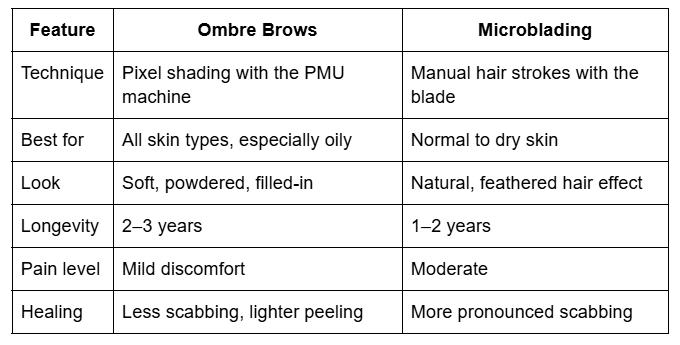
Ombre brows tend to last longer than microblading, particularly on oily or combination skin, because the shading technique holds up better against excess sebum production.
Benefits of Ombre Brows
The appeal goes beyond aesthetics. Ombre powder brows save time every morning, survive humidity (a real concern in Lafayette), and stay put through sweat and light swimming once fully healed. For anyone with sparse, overplucked, or uneven brows, they offer a reliable, low-maintenance solution.
According to the Society of Permanent Cosmetic Professionals, powder brow techniques have become one of the fastest-growing PMU services in North America, largely because of their versatility across skin types.
Why Ombre Brows Are Popular in Lafayette, LA
Lafayette has a beauty culture that values polished, put-together looks. Between the heat, the outdoor festivals, and the city's social scene, permanent makeup that stays in place is a practical investment. Powder brows hold up better in humid climates than many other brow techniques, which is one reason clients at clinics like Symetrie Studio Spa seek them out specifically.
How Long Does the Ombre Brow Healing Process Take
Why Ombre Brows Look Darker Before They Heal
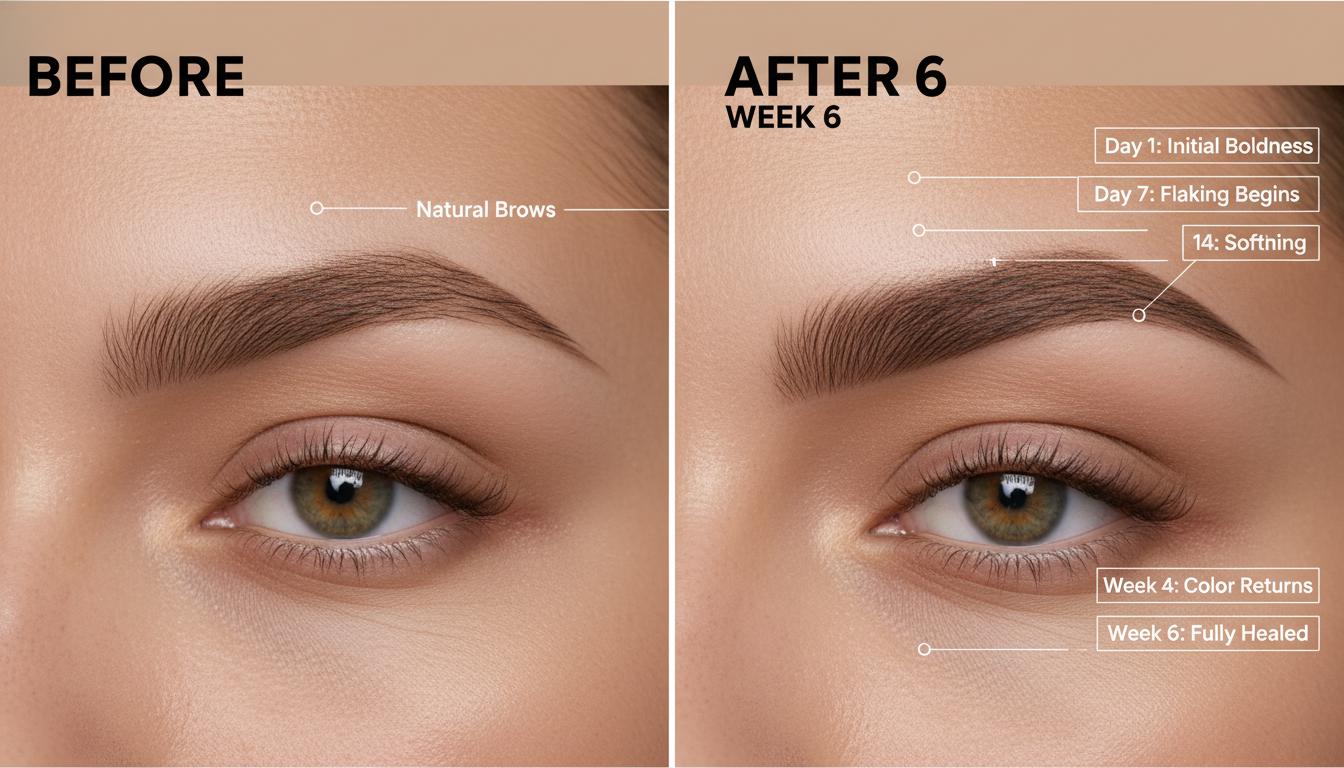
Fresh pigment sits directly on the surface of the skin right after your appointment. There is also minor swelling and oxidation happening beneath the surface. Together, these factors make the color appear much bolder than the final result will be. Most clients see their brows 30–50% darker than the healed color during the first several days.
What Affects Ombre Brow Healing Results
Several variables influence how your brows heal:
- Skin type: Oily skin tends to push out pigment faster
- Aftercare compliance: This is the single biggest factor within your control
- Technician skill: Proper depth and saturation determine how pigment settles
- Lifestyle: Sun exposure, sweating, and certain skincare products all affect retention
- Age: Mature skin may absorb pigment differently from younger skin
- Immune response: Some people's skin actively rejects more pigment than others
Why Understanding the Healing Stages Matters
Clients who know what to expect rarely panic. Those who don't often message their technician in a spiral of worry, convinced their brows are ruined. Understanding each stage helps you follow aftercare correctly, avoid the mistakes that cause patchy healing, and know when to call your artist versus when to simply wait.
Ombre Brow Healing Immediately After Treatment
What to Expect During the First 24 Hours
The first 24 hours set the tone for your entire healing process. Your job is simple: keep the area clean, dry, and untouched.
How Ombre Brows Look Right After the Appointment
Straight from the chair, your brows will look bold, saturated, and very defined. The color will appear darker than you expected, and the shape may look more precise and graphic than the soft powdered effect you were shown in reference photos. This is temporary. The freshly deposited pigment has not yet settled into the skin, and swelling makes the shape look sharper than it will be once you heal.
Normal Redness, Swelling, and Tenderness
Some redness around the brow area is expected within the first few hours. Mild swelling, especially in the skin directly above and below the brow, is completely normal. Your brows may feel tender to the touch, similar to the sensation of a light sunburn. All of this should begin to calm down within 24 hours.
The Lymph Fluid and Weeping Stage After Ombre Brows
In the hours following your appointment, a clear or lightly tinted fluid may seep from the treated area. This is lymph fluid, your body's natural response to the minor skin trauma of the procedure. Gently blot (never wipe or rub) with a clean cotton pad if your technician advises it. This fluid, if left to dry, can form a harder crust that may cause uneven scabbing later.
Why Brows Reach Peak Darkness After Treatment
Oxidation is the main reason. When pigment first enters the skin, it reacts with air and reaches its darkest point within the first 24–72 hours. Think of it like a bruise that peaks in color before it fades. The final healed color will be noticeably softer.
What You Should Avoid During the First Night
For the first night:
- Do not sleep face down. Use a clean pillowcase.
- Do not wash your brows or get them wet.
- Do not touch or rub the area.
- Avoid applying any products, including your regular moisturizer or serum, near the brow area.
- Skip sweaty activity for at least 24 hours.
Ombre Brow Healing Stages Day by Day
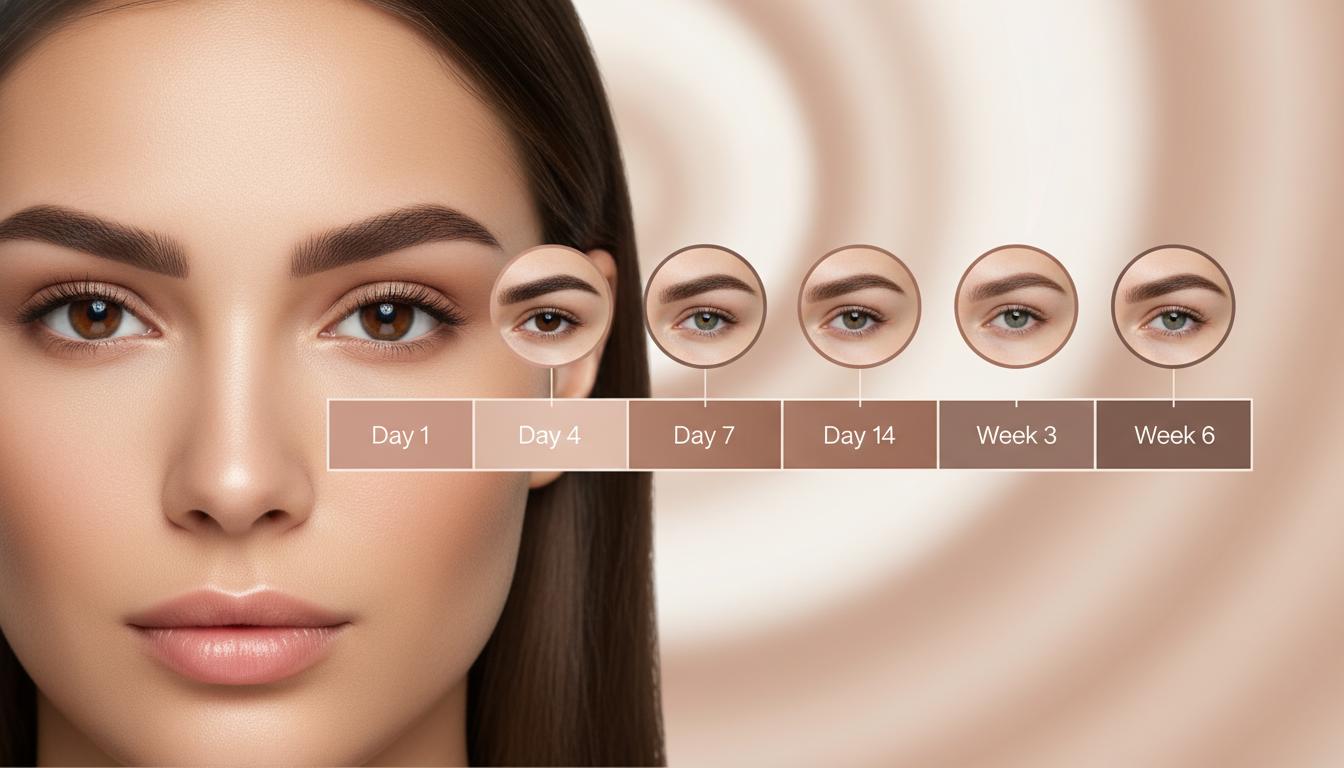
Stage 1: Days 1–3 (Dark, Bold, and Tender Brows)
Why Fresh Ombre Brows Look So Intense
Pigment is still sitting on the uppermost layer of the skin during these first three days. It has not yet settled or bonded with the dermis. The color you see is the most saturated it will ever appear.
How Ombre Brows Feel During the First 72 Hours
Expect tenderness, a slight tight feeling, and occasional mild throbbing. Some clients describe it as similar to the feeling of a minor scrape. These sensations are your skin's healing response, not a sign of infection.
Common Redness, Tenderness, and Swelling
Redness and slight puffiness around the brows are standard during this phase. You may notice the skin slightly raised in the treated area. If the swelling is significant or extends beyond the brow region, contact your artist.
What to Do During the First 72 Hours
Follow your technician's specific aftercare instructions exactly. General guidelines typically include blotting excess fluid gently in the first few hours, applying a thin layer of prescribed aftercare ointment if recommended, and keeping the area dry and untouched.
How to Use PMU Aftercare Products Properly
Less is more. Apply a rice-grain-sized amount of aftercare balm (such as a fragrance-free, petroleum-free ointment recommended by your artist) with a clean fingertip or cotton swab. Over-application can smother the skin and interfere with the healing process.
Stage 2: Days 4–7 (Scabbing and Flaking Phase)
Why Scabbing Happens After Ombre Brows
Scabbing is your skin forming a protective barrier over the healing pigment. It is a normal part of the process, though with ombre brows, the scabbing tends to be finer and more like peeling skin than the thick crusts sometimes associated with microblading.
What Flaking and Itching Look Like
Around days four through seven, you will notice small flakes of skin lifting from the brow area. The color beneath may look lighter. Itching during this phase is common and is a sign that new skin is forming underneath. Do not scratch.
Why You Should Never Pick the Scabs
Picking scabs is the number one mistake clients make. Each scab contains pigment. When you pull it off prematurely, you are removing color that should be absorbed back into the skin. The result is an empty, light patch that may not fill back in completely, even after a touch-up.
What Happens If You Accidentally Pick a Scab
If a scab comes off accidentally while washing your face or blotting the area, do not panic. One removed scab will not ruin your result entirely. However, the area may heal lighter than the surrounding sections. Note the location and let your technician know at your touch-up appointment.
How Picking Can Cause Patchy Brows
Repeated picking in the same area creates a pattern of incomplete pigment absorption. The skin under the picked scabs forms scar tissue, which absorbs pigment less effectively in subsequent sessions. This is why technicians emphasize this rule so strongly.
Stage 3: Days 8–14 (Ghosting Phase)
Why the Pigment Looks Like It Disappeared
This is the stage that makes most clients send a panicked message to their artist. The ghosting phase happens because new skin grows over the healed area, creating a temporary opaque layer that obscures the pigment underneath. Your brows may look faint, washed out, or barely visible.
Why Brows May Look Grey or Uneven
The new skin covering the pigment has a slightly milky quality that can make the color appear grey or cool-toned, particularly if the pigment was a warm brown. This is optical, not permanent.
Why Ombre Brows Look Patchy Before They Heal Evenly
Different areas of the brow may shed at different rates. One section might already be revealing healed color, while another still looks ghosted. This is completely normal and typically evens out by the end of week two.
How New Skin Affects Pigment Visibility
Think of it like looking at a tattoo through a frosted window. The color is there, but the new skin layer sits between it and your eye. As that skin matures and becomes more transparent, the color will re-emerge.
How Long Does the Ghosting Stage Last
For most clients, the ghosting phase lasts five to seven days. By the end of week two, the new skin has thinned enough that the pigment begins to resurface. If you are still seeing significant fading or uneven color beyond week three, contact your technician.
Book Into our Symetrie Studio Spa
Ready to take the next step? Book a consultation with a qualified permanent makeup artist.
Book Now
Stage 4: Weeks 3–4 (Color Returns)
When Ombre Brows Start Looking Softer
By week three, most clients feel their first wave of relief. The color starts to reappear with a noticeably softer quality than those early bold brows. The gradient effect begins to look more defined, and the overall shape feels more natural.
How the Powdered Makeup Effect Develops
This is when the ombre effect really begins to show up. The lighter front transitions into a deeper tail, and the overall texture starts to resemble that soft powdered finish you saw in your consultation photos.
Signs Your Brows Are Healing Correctly
Positive signs at this stage include:
- Color reappearing evenly across the brow
- No open areas, raw spots, or crusting
- Pigment looking softer and more natural than week one
- No pain, itching, or unusual discharge
Why Brows Sometimes Heal Too Warm or Too Cool in Tone
Pigment color shifts as it heals. Warm pigments may look orange-toned before settling, while cooler shades can temporarily appear grey. This usually self-corrects by week four. If a tone shift concerns you, wait until the full six-week mark before drawing any conclusions.
What Your Brows Should Look Like at One Month
At the one-month mark, your brows should look close to their final result. Some clients are happy with the color and shape at this point. Others notice small gaps or areas that healed lighter. Both outcomes are normal, which is exactly why a touch-up session exists.
Stage 5: Weeks 5–6 (Fully Healed Results)
What Fully Healed Ombre Brows Look Like
Fully healed ombre powder brows should look like a soft, professional brow makeup application. The color is even, the gradient is visible, and the shape feels natural to your face rather than drawn on.
How Much Fading Is Normal
A 30–40% reduction in color intensity from your day-one appearance is completely normal and expected. The goal is always a healed result, not a fresh one. Most technicians actually design the initial application to account for this fading.
When to Evaluate Your Final Results
Six weeks is the standard benchmark for assessing your healed result. Evaluating earlier can lead to unnecessary worry during an incomplete healing stage.
When to Schedule a Touch-Up Appointment
Most technicians recommend booking a touch-up between six and eight weeks post-procedure. This session corrects any areas that healed unevenly, adds density where pigment faded, and locks in the final shape.
The Emotional Journey of Ombre Brow Healing
Stage 1: Initial Excitement (Day 1)
You walk out of your appointment feeling great. Your brows look defined, your shape is on point, and you immediately want to photograph them. This is the honeymoon phase.
Stage 2: The Panic Phase (Days 2–7)
By day two or three, the brows look darker, puffier, and bolder than expected. The scabbing starts. You start Googling "why are my ombre brows so dark" at 11 pm. This is universal.
Stage 3: The Despair Phase (Days 8–14)
The ghosting phase hits, and it can feel alarming. Many clients become convinced their pigment is gone entirely. Some even assume their technician did something wrong. This is the most important moment to trust the process.
Stage 4: The Relief Phase (Week 3 Onward)
The color starts coming back. You can see the shape again. The panic fades. You begin to see what the final result might actually look like, and it looks good.
Stage 5: The Love Phase (Week 6 and Beyond)
By week six, most clients love their brows. The shape is refined, the color is natural, and the daily routine of filling in brows is gone.
Why Almost Every Client Goes Through These Emotions
These stages are predictable because the healing process is predictable. Every client, from the most laid-back to the most anxious, will experience at least two or three of these emotional stages. Knowing they are coming makes them far easier to manage.
Learning to Trust the Healing Process
The technician has seen hundreds of brows heal. When they tell you the ghosting is normal, it is normal. When they say to wait the full six weeks, they are not brushing you off. They are giving you the most accurate guidance available.
Managing Expectations During Recovery
Keep reference photos from your appointment on hand. Remind yourself what the expected healing timeline looks like. And resist the urge to make any judgments about your final result until you hit that six-week mark.
Ombre Brow Healing Timeline by Week
Ombre Brow Healing After 1 Week
By day seven, scabbing and flaking are usually at their peak or just beginning to subside. The brows may look patchy or ghostly. Color appears uneven. This is normal and expected.
Ombre Brow Healing After 2 Weeks
The ghosting phase is wrapping up for most clients. New skin is becoming more transparent, and pigment is beginning to resurface. Itching should be minimal.
Ombre Brow Healing After 3 Weeks
Color is returning and softening. The powdered effect is becoming visible. Most clients feel relieved at this stage and begin to see their actual results.
Ombre Brow Healing After 1 Month
Brows are very close to their final result. Any remaining patchiness or unevenness will be addressed at the touch-up appointment.
Fully Healed Ombre Brows After 6 Weeks
Healing is complete. The final shape, color, and gradient are visible. This is the appropriate time to evaluate results and schedule a perfecting session if needed.
What Ombre Brows Look and Feel Like at Each Healing Stage
Visual Changes to Expect From Day 1 to Week 6
- Day 1: Dark, bold, defined
- Days 2–3: Still dark, may look slightly puffy
- Days 4–7: Flaking and peeling, patchy appearance
- Days 8–14: Ghosted, washed out, nearly invisible in some areas
- Weeks 3–4: Color resurfaces, softer and more natural
- Weeks 5–6: Final, fully healed result
Physical Sensations During the Healing Process
- Days 1–3: Tenderness, mild throbbing
- Days 4–7: Itching, tightness
- Days 8–14: Dryness, occasional mild itching
- Weeks 3–6: No significant discomfort
Tightness, Itching, Dryness, and What Is Normal
Tightness comes from the skin contracting as it heals. Itching signals new skin growth. Dryness is the final phase of surface healing. All of these are expected and resolve without intervention as long as you follow your aftercare routine.
Why One Brow May Heal Differently Than the Other
The two sides of your face have different skin conditions, circulation patterns, and muscle activity. It is common for one brow to scab faster, ghost earlier, or show color sooner than the other. By week six, most asymmetry evens out on its own.
Wet Healing vs Dry Healing for Ombre Brows
What Is the Wet Healing Method?
Wet healing: applying a thin layer of aftercare ointment to the healing brows throughout the day to keep the area moisturized and prevent hard scabbing.
What Is the Dry Healing Method?
Dry healing: leaving the brows completely untouched after the initial cleaning, allowing them to scab and flake without any product application.
Which Healing Method Is Better for Ombre Brows?
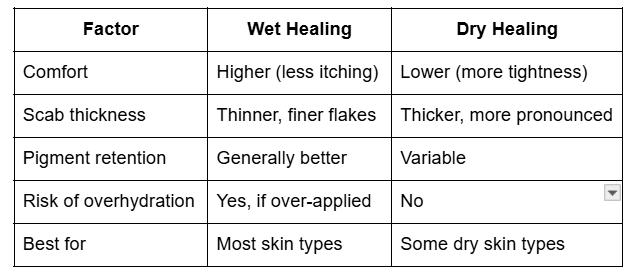
Most PMU artists currently recommend a modified wet healing approach, applying a minimal, thin layer of ointment rather than a heavy coating.
Which Aftercare Method Most Artists Recommend
The majority of experienced PMU technicians recommend wet healing with a light-touch application of aftercare balm, once or twice daily, for the first seven to ten days. Always defer to your specific artist's instructions, as they know the product and technique they used.
Stage 4: Weeks 3–4 (Color Returns)
When Ombre Brows Start Looking Softer
By week three, most clients feel their first wave of relief. The color starts to reappear with a noticeably softer quality than those early bold brows. The gradient effect begins to look more defined, and the overall shape feels more natural.
How the Powdered Makeup Effect Develops
This is when the ombre effect really begins to show up. The lighter front transitions into a deeper tail, and the overall texture starts to resemble that soft powdered finish you saw in your consultation photos.
Signs Your Brows Are Healing Correctly
Positive signs at this stage include:
- Color reappearing evenly across the brow
- No open areas, raw spots, or crusting
- Pigment looking softer and more natural than week one
- No pain, itching, or unusual discharge
Why Brows Sometimes Heal Too Warm or Too Cool in Tone
Pigment color shifts as it heals. Warm pigments may look orange-toned before settling, while cooler shades can temporarily appear grey. This usually self-corrects by week four. If a tone shift concerns you, wait until the full six-week mark before drawing any conclusions.
What Your Brows Should Look Like at One Month
At the one-month mark, your brows should look close to their final result. Some clients are happy with the color and shape at this point. Others notice small gaps or areas that healed lighter. Both outcomes are normal, which is exactly why a touch-up session exists.
Stage 5: Weeks 5–6 (Fully Healed Results)
What Fully Healed Ombre Brows Look Like
Fully healed ombre powder brows should look like a soft, professional brow makeup application. The color is even, the gradient is visible, and the shape feels natural to your face rather than drawn on.
How Much Fading Is Normal
A 30–40% reduction in color intensity from your day-one appearance is completely normal and expected. The goal is always a healed result, not a fresh one. Most technicians actually design the initial application to account for this fading.
When to Evaluate Your Final Results
Six weeks is the standard benchmark for assessing your healed result. Evaluating earlier can lead to unnecessary worry during an incomplete healing stage.
When to Schedule a Touch-Up Appointment
Most technicians recommend booking a touch-up between six and eight weeks post-procedure. This session corrects any areas that healed unevenly, adds density where pigment faded, and locks in the final shape.
The Emotional Journey of Ombre Brow Healing
Stage 1: Initial Excitement (Day 1)
You walk out of your appointment feeling great. Your brows look defined, your shape is on point, and you immediately want to photograph them. This is the honeymoon phase.
Stage 2: The Panic Phase (Days 2–7)
By day two or three, the brows look darker, puffier, and bolder than expected. The scabbing starts. You start Googling "why are my ombre brows so dark" at 11 pm. This is universal.
Stage 3: The Despair Phase (Days 8–14)
The ghosting phase hits, and it can feel alarming. Many clients become convinced their pigment is gone entirely. Some even assume their technician did something wrong. This is the most important moment to trust the process.
Stage 4: The Relief Phase (Week 3 Onward)
The color starts coming back. You can see the shape again. The panic fades. You begin to see what the final result might actually look like, and it looks good.
Stage 5: The Love Phase (Week 6 and Beyond)
By week six, most clients love their brows. The shape is refined, the color is natural, and the daily routine of filling in brows is gone.
Why Almost Every Client Goes Through These Emotions
These stages are predictable because the healing process is predictable. Every client, from the most laid-back to the most anxious, will experience at least two or three of these emotional stages. Knowing they are coming makes them far easier to manage.
Learning to Trust the Healing Process
The technician has seen hundreds of brows heal. When they tell you the ghosting is normal, it is normal. When they say to wait the full six weeks, they are not brushing you off. They are giving you the most accurate guidance available.
Managing Expectations During Recovery
Keep reference photos from your appointment on hand. Remind yourself what the expected healing timeline looks like. And resist the urge to make any judgments about your final result until you hit that six-week mark.
Ombre Brow Healing Timeline by Week
Ombre Brow Healing After 1 Week
By day seven, scabbing and flaking are usually at their peak or just beginning to subside. The brows may look patchy or ghostly. Color appears uneven. This is normal and expected.
Ombre Brow Healing After 2 Weeks
The ghosting phase is wrapping up for most clients. New skin is becoming more transparent, and pigment is beginning to resurface. Itching should be minimal.
Ombre Brow Healing After 3 Weeks
Color is returning and softening. The powdered effect is becoming visible. Most clients feel relieved at this stage and begin to see their actual results.
Ombre Brow Healing After 1 Month
Brows are very close to their final result. Any remaining patchiness or unevenness will be addressed at the touch-up appointment.
Fully Healed Ombre Brows After 6 Weeks
Healing is complete. The final shape, color, and gradient are visible. This is the appropriate time to evaluate results and schedule a perfecting session if needed.
What Ombre Brows Look and Feel Like at Each Healing Stage
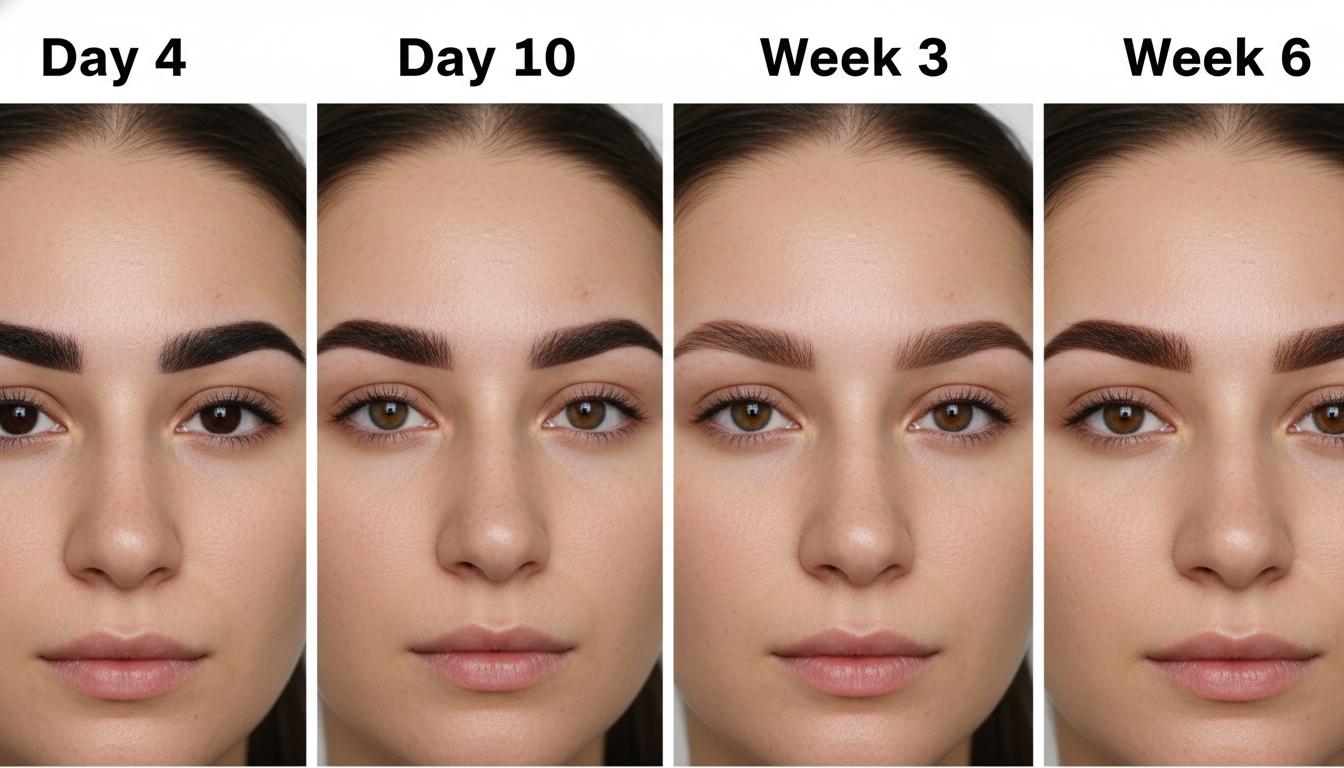
Visual Changes to Expect From Day 1 to Week 6
- Day 1: Dark, bold, defined
- Days 2–3: Still dark, may look slightly puffy
- Days 4–7: Flaking and peeling, patchy appearance
- Days 8–14: Ghosted, washed out, nearly invisible in some areas
- Weeks 3–4: Color resurfaces, softer and more natural
- Weeks 5–6: Final, fully healed result
Physical Sensations During the Healing Process
- Days 1–3: Tenderness, mild throbbing
- Days 4–7: Itching, tightness
- Days 8–14: Dryness, occasional mild itching
- Weeks 3–6: No significant discomfort
Tightness, Itching, Dryness, and What Is Normal
Tightness comes from the skin contracting as it heals. Itching signals new skin growth. Dryness is the final phase of surface healing. All of these are expected and resolve without intervention as long as you follow your aftercare routine.
Why One Brow May Heal Differently Than the Other
The two sides of your face have different skin conditions, circulation patterns, and muscle activity. It is common for one brow to scab faster, ghost earlier, or show color sooner than the other. By week six, most asymmetry evens out on its own.
Wet Healing vs Dry Healing for Ombre Brows
What Is the Wet Healing Method?
Wet healing: applying a thin layer of aftercare ointment to the healing brows throughout the day to keep the area moisturized and prevent hard scabbing.
What Is the Dry Healing Method?
Dry healing: leaving the brows completely untouched after the initial cleaning, allowing them to scab and flake without any product application.
Which Healing Method Is Better for Ombre Brows?
Most PMU artists currently recommend a modified wet healing approach, applying a minimal, thin layer of ointment rather than a heavy coating.
Which Aftercare Method Most Artists Recommend
The majority of experienced PMU technicians recommend wet healing with a light-touch application of aftercare balm, once or twice daily, for the first seven to ten days. Always defer to your specific artist's instructions, as they know the product and technique they used.
Ready to wake up with perfect brows every morning?
Book your appointment today at Symetrie Studio Spa and take the first step toward brows that are always ready.
Book Now
Book Into our Symetrie Studio Spa
Ready to take the next step? Book a consultation with a qualified permanent makeup artist.
Book Now
Book Your Brow Appointment in Lafayette, LA
Ready to wake up with perfect brows every morning? The team at Symetrie Studio Spa specializes in permanent brows designed to complement your natural features and withstand Louisiana's demanding climate
Book Now