Microblading vs. Permanent Eyeliner — Which Treatment Fits Your Lifestyle?
Deciding between microblading and permanent eyeliner starts with a clear picture of what each service does and how it supports your daily routine. This guide breaks down both techniques — how they work, the benefits and risks, what to expect during healing, and realistic longevity — so you can choose the option that best matches your beauty goals. You’ll learn how microblading recreates hair-like strokes to rebuild brows and how permanent eyeliner places pigment along the lash line for consistent eye definition. We cover common concerns like safety, pain, and aftercare, and compare cost, touch-up timing, and who typically makes a good candidate. Finally, you’ll see Symétrie Studio Spa’s safety standards and how to book a personalized consultation in the Lafayette and Youngsville area. If you want a straightforward decision framework and next steps for scheduling, this page walks you through both choices and when combining treatments makes sense.
What Is Microblading and How Does It Enhance Your Brows?
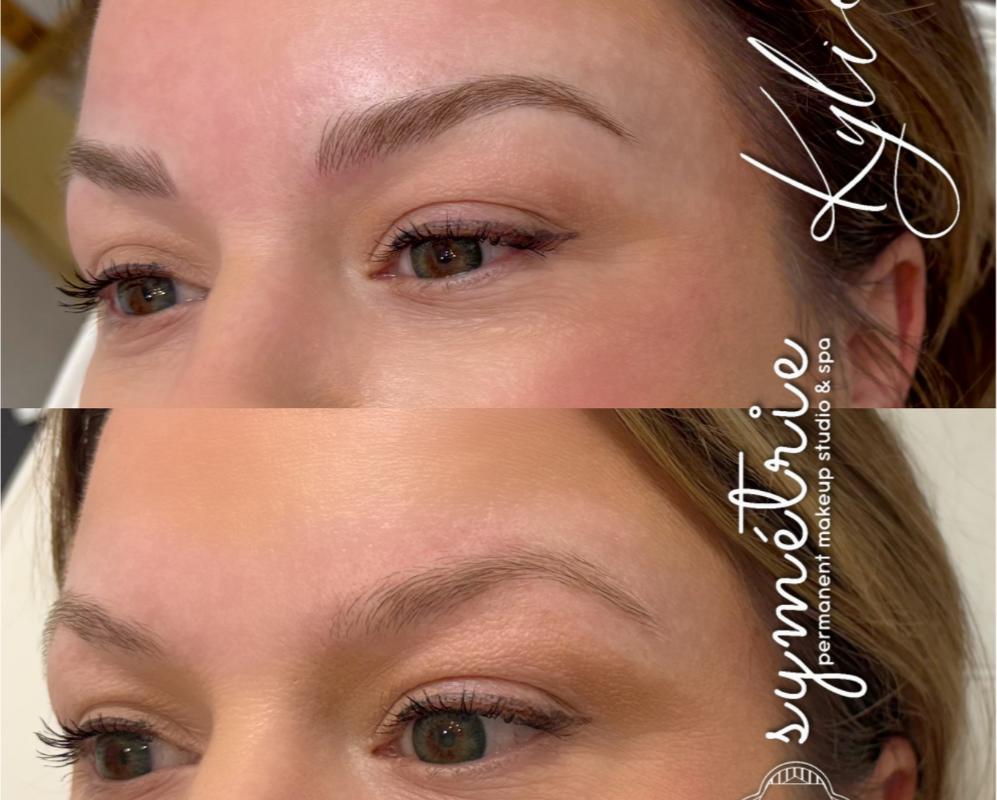
Microblading is a semi‑permanent cosmetic tattoo technique that places pigment in fine, hair‑like strokes to mimic natural eyebrow hairs. Using a handheld microblade, the artist makes tiny superficial incisions in the top layer of skin and deposits pigment just beneath the surface to create crisp, realistic strokes that fill gaps and refine shape. The main advantage is a natural, low‑maintenance brow that cuts down daily makeup time and looks fuller for months to years depending on skin type and care. Knowing the technique and healing expectations helps you plan touch-ups and predict your final result — the next section covers how microblading looks in practice and who usually chooses it.
What Is Microblading? Definition and Key Features
Microblading is defined by its manual tool and detailed hair‑stroke method, which is different from machine shading that creates a softer, powdered finish. The procedure works in the superficial epidermis to preserve a delicate, lifelike appearance—ideal for clients who want brows that look like real hair rather than a filled‑in block of color. Typical candidates choose microblading to restore sparse brows, correct asymmetry, or simplify their morning routine while keeping natural texture. Because the method is manual, pigment retention varies by skin type and lifestyle, and those differences inform how often a touch‑up will be recommended.
How Is the Microblading Procedure Performed at Symétrie Studio Spa?
At Symétrie Permanent Makeup Studio & Spa, microblading begins with a thoughtful consultation and precise brow mapping to align shape with your facial features and goals. We use topical anesthetic for comfort, then create individual hair strokes with sterile, single‑use blades and match pigment to your natural hair and skin tone. Aftercare instructions cover gentle cleansing and ointment use, and a follow‑up touch‑up is typically scheduled 6–12 weeks after the first session to perfect retention. Our experienced team and high treatment volume give clients confidence in consistent, predictable results; the consultation also sets clear expectations for healing and maintenance before you consider eyeliner options.
What Is Permanent Eyeliner and How Can It Define Your Eyes?
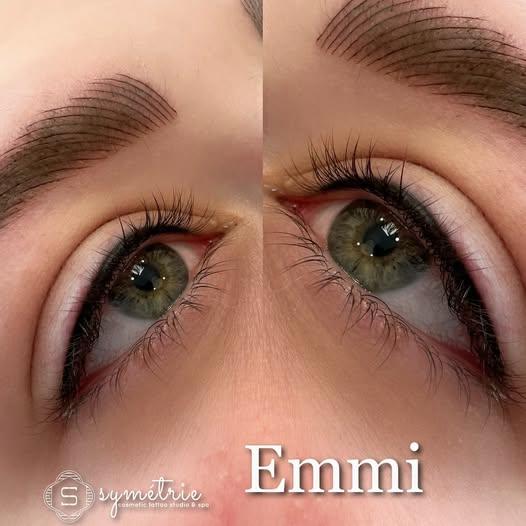
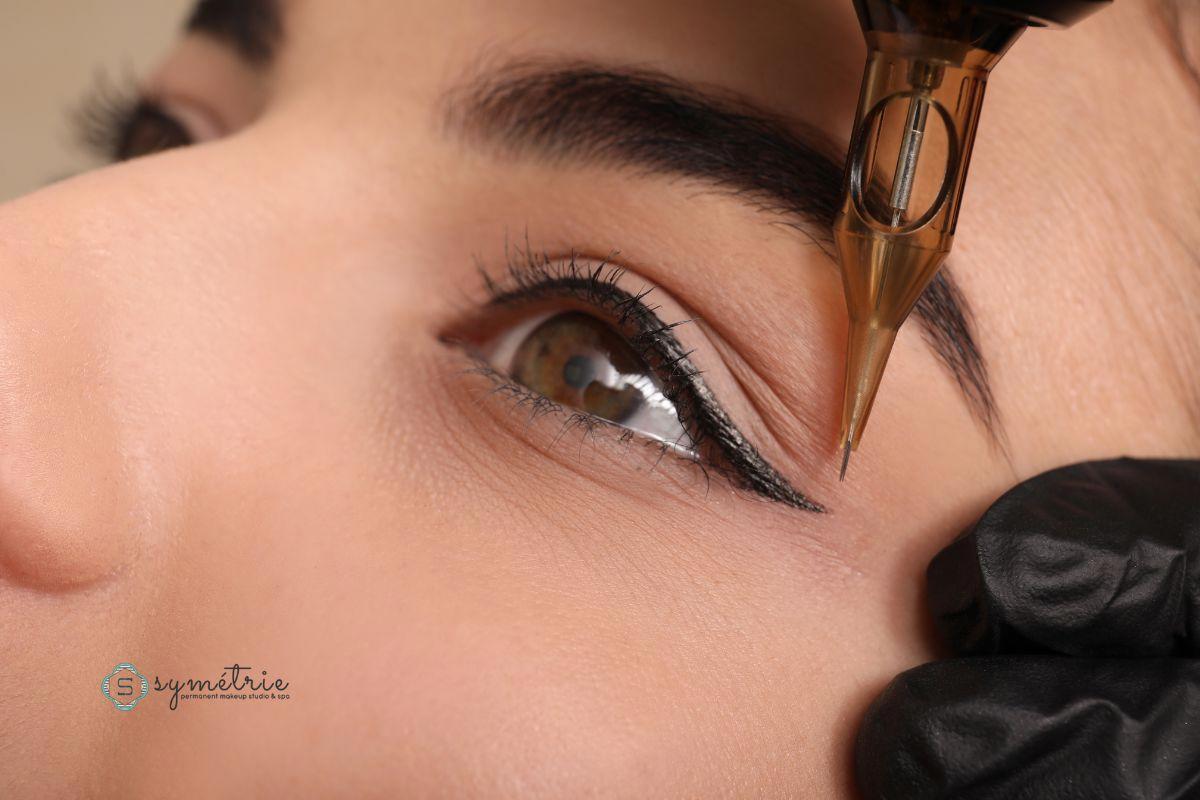
Permanent eyeliner is a cosmetic tattoo technique that deposits pigment along the lash line or eyelid to create enduring definition and the appearance of fuller lashes. Technicians use a rotary or digital machine with very fine needles to place pigment slightly deeper than microblading, allowing for smooth, continuous lines and a range of looks from subtle lash enhancement to winged eyeliner. The major benefit is a smudge‑proof, time‑saving enhancement that keeps your eyes defined through swimming, workouts, or humid weather. Below we outline common styles, the steps of the procedure, and how numbing and healing are managed for comfort and safety.
What Is Permanent Eyeliner? Definition and Benefits
Permanent eyeliner covers techniques from delicate lash‑line shading to full liner and winged styles that frame the eye and remove the need for daily pencil or gel application. Benefits include enhanced lash appearance, improved symmetry, and resistance to smudging or fading with normal activities. Styles vary by thickness and placement — a soft shade close to the lashes makes lashes look fuller, while a darker, tighter line delivers stronger definition; wings extend the outer corner for a lifted effect. These stylistic choices are agreed upon during consultation to suit eye shape, personal preference, and lifestyle.
How Is the Permanent Eyeliner Procedure Done at Symétrie Studio Spa?
Symétrie’s eyeliner protocol starts with a detailed design consultation to pin down line thickness, curve, and whether a wing is desired, followed by topical numbing to keep you comfortable. We use medical‑grade pigments and single‑use, sterile cartridges or needles, and our technicians apply meticulous technique to protect the delicate eyelid and surrounding structures. You’ll get clear aftercare directions to prevent irritation and support pigment settling, and we highlight safety steps and numbing options so the process is as comfortable as possible. With broad experience across cases, Symétrie proactively answers questions about pain and longevity so you can make an informed decision before booking.
How Do Microblading and Permanent Eyeliner Compare? Key Differences and Similarities
Both microblading and permanent eyeliner aim to reduce daily makeup time, but they differ in tools, treatment area, and upkeep. Microblading uses a manual blade to craft individual hair strokes on brows, while permanent eyeliner uses a machine to create continuous lines on the eyelids; those differences affect pigment depth, appearance, and longevity. Both procedures usually include an initial session plus at least one touch‑up to refine color and shape, and both rely on careful aftercare to minimize infection risk and maximize retention. The comparisons below break down the main contrasts and give a quick decision guide to help you choose based on aesthetic goals and skin characteristics.
What Are the Main Differences Between Microblading and Permanent Eyeliner?
The primary technical differences are the tools and pigment placement: microblading’s handheld blade forms individual hair strokes in the superficial epidermis, while eyeliner tattooing uses a machine to deposit pigment in a continuous line at a slightly deeper level. Visually, microblading yields textured, hair‑like brows and eyeliner produces a crisp, uniform line. Maintenance differs too — microblading can be more sensitive to oily skin and may require more frequent refreshers than certain eyeliner styles. Candidate profiles also vary: microblading is a great choice for those wanting natural brow fullness, while eyeliner suits clients seeking lasting lash definition or less daily eye makeup.
How Do Cost, Longevity, and Pain Levels Compare Between Microblading and Permanent Eyeliner?
Cost and longevity depend on the complexity of the technique, artist experience, and individual factors such as skin type and sun exposure; both procedures use topical anesthetics to reduce discomfort. Typical longevity and touch‑up windows reflect pigment depth and skin behavior, and most clients describe pain as mild to moderate with proper numbing. The table below summarizes procedure type, technique, expected longevity, pain level, and touch‑up frequency to make comparisons easier.
Is Microblading or Permanent Eyeliner Safer? What You Need to Know About Risks and Aftercare
Both microblading and permanent eyeliner carry the usual risks of cosmetic tattooing — for example infection, allergic reaction, or pigment migration — but those risks are greatly reduced when procedures are performed under strict sterile practices by qualified technicians. Safety depends on single‑use implements, medical‑grade pigments, thorough skin assessment, and following aftercare instructions; these measures help prevent complications and support predictable healing. Aftercare also differs by area: eyelids need extra caution around moisture and eye exposure, while brows require sun protection and avoidance of heavy sweating during early healing. The following subsections describe studio hygiene standards and step‑by‑step aftercare to help you prepare and lower your risk.
When performed correctly, micropigment application for cosmetic enhancement is widely considered a safe procedure.
Safety and Applications of Permanent Micropigment Treatments Research and clinical practice show that applying micropigments for cosmetic enhancement is generally safe when performed by trained professionals. Common cosmetic uses include eyeliner, lip liner, eyebrow, cheek, and lip enhancement. Micropigmentation also has medical applications, such as restoring pigment for vitiligo, adding nipple color after breast reconstruction, and camouflage treatments. Advances in semipermanent, natural‑looking pigments have increased the procedure’s popularity and results. Permanent and Semipermanent Micropigment Treatments, 2024
What Are the Safety Standards and Hygiene Practices at Symétrie Studio Spa?
Symétrie follows strict hygiene protocols: single‑use needles or cartridges, medical‑grade pigments, and industry‑recommended sterilization for any reusable tools. Licensed technicians perform health screenings and patch tests when needed, and our team stays current with continuing education and best practices in cosmetic tattooing. These steps create a controlled environment where risk is actively managed. Clear communication during consultation also explains how pre‑procedure preparation and careful aftercare reduce the chance of complications.
How Should You Care for Microblading and Permanent Eyeliner After Treatment?
Aftercare focuses on keeping the area clean, avoiding contamination, and allowing pigment to settle through normal healing stages — initial darkening, light scabbing, and eventual softening. Typical aftercare includes gentle cleansing with recommended solutions, light ointment application as directed, avoiding swimming and heavy exercise, and protecting treated areas from direct sun until fully healed. Follow the checklist below to support optimal healing and pigment retention.
- Clean the treated area gently twice daily with a mild, recommended cleanser.
- Apply a thin layer of ointment as directed until scabbing subsides.
- Avoid swimming, hot tubs, and saunas for at least two weeks.
- Do not pick at scabs; allow natural exfoliation and pigment settling.
Following these steps lowers infection risk and improves the final appearance. Clients are encouraged to schedule their recommended touch‑up within the advised window to refine color and shape.
Who Is the Ideal Candidate for Microblading or Permanent Eyeliner?
Ideal candidacy depends on skin type, medical history, cosmetic goals, and lifestyle — a personalized consultation is essential to determine the best technique. Microblading generally performs better on normal to dry skin, where hair‑stroke retention is stronger; oily or thick skin often benefits more from powder or machine shading techniques. Permanent eyeliner is a strong choice for regular makeup users, people with sparse lash lines, or anyone wanting reliable, smudge‑proof definition. Sensitive eyes or certain medications may require medical clearance. The lists below offer initial self‑assessment points to discuss at your consultation.
Candidates best suited for microblading often share these characteristics:
- Normal to dry skin that holds crisp hair strokes well.
- Desire for natural‑looking brow enhancement and less daily makeup.
- No recent use of medications or conditions that significantly impair healing.
Candidates who commonly choose permanent eyeliner often share these attributes:
- Regular eye‑makeup users looking for a smudge‑proof option.
- Those with sparse lashes who want a fuller lash appearance.
- Individuals willing to follow specific eyelid aftercare and discuss contact lens use at consult.
Which Skin Types and Beauty Goals Are Best Suited for Microblading?
Microblading works best on normal to dry skin because pigment sits closer to the epidermis and retains crisp strokes more consistently. Oily or heavily textured skin can blur strokes over time, making powder or combo techniques a better choice for those skin types. Beauty goals that align with microblading include clients seeking subtle, hair‑like fullness and a shape that frames the face without a heavy, filled‑in look. During consultation, your artist will evaluate Fitzpatrick skin type, oiliness, and scarring to recommend the technique most likely to deliver a natural, long‑lasting result.
Who Should Choose Permanent Eyeliner for Their Look?
Permanent eyeliner is ideal for clients who regularly wear eyeliner, have sparse lashes, or want consistent definition during activities like swimming or sports. Clients with sensitive eyes or heavy contact lens use should discuss specifics during consultation, as the eyelid is delicate and may require tailored numbing or technique adjustments. Subtle lash‑line enhancement suits many seeking low‑maintenance improvement, while dramatic winged lines may require longer healing and occasional touch‑ups to keep edges crisp.
Why Choose Symétrie Permanent Makeup Studio & Spa for Your Microblading or Permanent Eyeliner?
Symétrie Permanent Makeup Studio & Spa is a trusted med‑spa choice in Lafayette and Youngsville because we combine technical skill, strict safety protocols, and a consultative client experience. We prioritize personalized consultations, medical‑grade pigments, and experienced artists who follow hygiene practices that support predictable results. Our local reputation is built on consistent practice and a high volume of treatments, which gives new clients confidence that their technician has handled many skin types and style goals. Below we summarize our experience and how you can review portfolios and client feedback to decide if we’re the right fit.
What Expertise and Experience Does Symétrie Offer in Permanent Makeup?
Symétrie’s team includes specialized permanent makeup artists led by an experienced owner/artist referenced in our studio materials. We offer a full range of cosmetic tattoo services, including microblading and permanent eyeliner, and our extensive case experience supports consistent technique and reliable results. Practitioners keep current with best practices for safety and pigment selection to accommodate diverse skin tones and desired outcomes, and our consultative process tailors each treatment plan to your facial structure and aesthetic goals.
How Do Client Testimonials and Before/After Results Reflect Our Quality?
Before/after galleries and client reviews offer real‑world insight into outcome consistency, healing patterns, and the stylistic range our technicians can achieve. We encourage prospective clients to review gallery images and feedback to evaluate results across different skin types and looks. Seeing multiple case examples helps set realistic expectations for pigment shade, stroke definition, and how color softens during healing. These visual references, paired with a consultation, support an informed booking decision and confidence in expected results.
How Can You Book Your Microblading or Permanent Eyeliner Consultation at Symétrie Studio Spa?
Booking a consultation starts with gathering information about your medical history, current medications, and desired results so our artist can create a personalized plan. Our consultation includes intake questions, a design discussion, and a clear timeline from the initial session to the touch‑up, plus guidance on pre‑procedure steps that optimize healing. If you’re local to Lafayette or Youngsville, use our booking resources or Google Business Profile for location and directions. Scheduling a consult ensures both safety screening and a customized aesthetic plan tailored to you.
What Is the Booking Process for a Personalized Permanent Makeup Consultation?
The booking process is simple: schedule a consultation, complete a health and consent intake, and meet with your artist to discuss desired brow or eye styles. During the consult the technician maps features, previews shapes, and explains numbing options, pigment selection, and aftercare so you leave with a clear plan. You’ll also receive guidance on typical healing timelines and touch‑up scheduling so you can plan downtime and activity restrictions.
Where Are Symétrie’s Locations in Lafayette and Youngsville, Louisiana?
Symétrie serves clients in the Lafayette and Youngsville area. Please check our public business profile for the most current location details and directions. Prospective clients can also view recent galleries and reviews there to compare stylistic options. Scheduling a consultation through our booking system ensures you receive a personalized plan and a clear timeline for treatment and follow‑up care.
Frequently Asked Questions
What is the typical healing time for microblading and permanent eyeliner?
Microblading typically heals in about 7–14 days for the initial phase, during which you may notice redness, scabbing, and pigment settling. Permanent eyeliner usually takes a bit longer to pass through the same stages — generally around 10–14 days — because the eyelid skin is more delicate. Following aftercare instructions closely helps ensure proper healing and the best pigment retention for both treatments.
Can I get microblading or permanent eyeliner if I have sensitive skin?
Yes, many people with sensitive skin can still have microblading or permanent eyeliner, but it’s important to discuss this at consultation. Technicians can recommend gentler techniques or numbing options and may perform a patch test to check for reactions to pigments or topical anesthetics. A personalized assessment will determine the safest, most effective approach for sensitive skin.
How often do I need touch-ups for microblading and permanent eyeliner?
Touch‑up timing varies by procedure and individual factors. Microblading commonly requires a touch‑up 6–12 weeks after the initial session, then maintenance every 12–18 months. Permanent eyeliner also usually has a touch‑up at 6–12 weeks, with subsequent refreshers often spaced every 2–4 years depending on style and skin behavior. Regular touch‑ups help preserve color and shape.
What should I avoid before getting microblading or permanent eyeliner?
Before your appointment avoid blood thinners such as alcohol, aspirin, and certain supplements like fish oil for at least 48 hours. Skip caffeine on the day of the procedure and avoid intense sun exposure beforehand, as these factors can increase sensitivity and affect healing. Always tell your technician about medications or skin conditions during your consultation so we can plan safely.
Are there any contraindications for microblading or permanent eyeliner?
Yes. Contraindications can include active skin conditions (like eczema or psoriasis) in the treatment area, recent cosmetic procedures, certain medications that impair healing, and some medical conditions such as uncontrolled diabetes or autoimmune disorders. A thorough consultation and health intake will identify any risks and help determine whether treatment is appropriate for you.
How can I ensure the best results from my microblading or permanent eyeliner?
The best results come from following pre‑ and post‑procedure instructions closely and choosing an experienced, qualified technician — like those at Symétrie Studio Spa. Avoid certain medications and activities before your appointment, adhere to aftercare guidelines during healing, and attend your scheduled touch‑up to refine the final color and shape.
Conclusion
Both microblading and permanent eyeliner offer long‑lasting, low‑maintenance ways to simplify your beauty routine — the right choice depends on your skin type, daily habits, and aesthetic goals. Understanding each procedure’s benefits and care needs helps you make a confident decision. For personalized advice and to explore which option fits you best, book a consultation at Symétrie Studio Spa. Let our experienced team guide you to a look that feels effortless and true to your style.