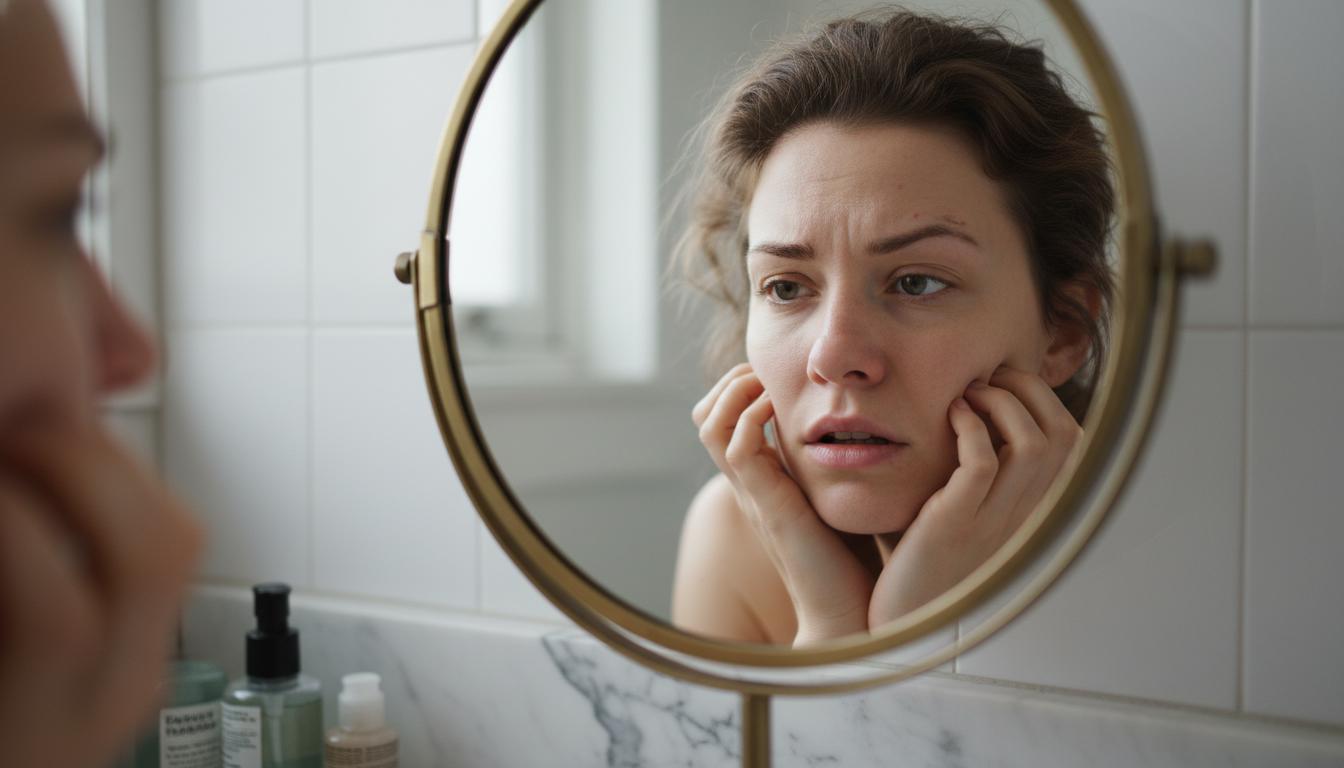
It's important to understand that microblading is technically a form of tattooing. That means the results - both good and bad - aren't going away overnight. Most microblading lasts anywhere from one to three years, which is a long time to live with something you're unhappy about. That's exactly why knowing what can go wrong before you book your appointment is so important.
The Most Common Types of Microblading Gone Wrong
Not all bad microblading looks the same. Here are the most common problems people run into, and what they actually look like.
Uneven or Asymmetrical Eyebrows
This is probably the most talked-about microblading mistake - and for good reason. Asymmetrical brows happen when the technician doesn't map out the shape carefully before starting the procedure, uses uneven pressure, or simply doesn't have a strong enough eye for facial symmetry.
The result? One brow sits higher than the other, one is longer, or they curve in completely different directions. It can be subtle at first, but once you notice it, it's almost impossible to unsee.
Wrong Pigment Color
Color gone wrong is one of the most frustrating outcomes of bad microblading. You might ask for soft, natural brown brows and end up with something that looks orange, fire-engine red, or - worse - a bluish-gray. This usually happens because the technician didn't account for your skin's undertones or injected the pigment too deeply into the skin.
The depth of pigment injection matters a lot. When it goes too deep, the color shifts over time and can take on a cool, ashy tone. When the wrong pigment is selected for your complexion, the result rarely looks natural - especially after healing.
Unnatural or Blocky-Looking Strokes
Good microblading is supposed to be invisible - each stroke should look exactly like a strand of eyebrow hair. When it goes wrong, the strokes can look thick, painted-on, or clumped together like a solid block of color rather than individual hairs.
This usually happens when a technician is rushed, undertrained, or uses the wrong blade angle. The result is brows that look drawn-on rather than natural, which defeats the entire purpose of the procedure.
Infection and Allergic Reactions
Microblading creates small cuts in your skin to deposit pigment - which means there's always an infection risk if proper hygiene and sterilization aren't followed. Signs of infection include persistent redness, swelling, warmth, and in more serious cases, pus or open sores around the brow area.
Allergic reactions can also happen, especially if low-quality pigments are used. Some cheaper pigments contain nickel and other irritants that the body reacts to by triggering an inflammatory response. If you experience any of these symptoms beyond the first 48 hours after your procedure, see a doctor right away.
Scarring and Permanent Skin Damage
When microblading is performed too aggressively - meaning too much pressure, too many passes over the same area, or incorrect tools - it can cause scarring. For people who are prone to keloid scarring, this risk is even higher. Scarring not only affects how your brows look but can also change the texture of your skin permanently in that area.
Pigment Migration Over Time
Even a technically "good" microblading job can develop problems as it heals and ages. Pigment migration happens when the color spreads beyond the original stroke lines, giving brows a blurred or smudged appearance. This is especially common on people with oily skin, where the natural oils break down the pigment faster and cause it to spread.
Why Does Microblading Go Wrong? The Real Causes
Understanding the root causes helps you avoid making the same mistakes when choosing an artist. Here's what typically leads to microblading disasters.
Untrained or Underqualified Technicians
This is the number one reason microblading goes wrong. The beauty industry has very inconsistent regulations - in some states, almost anyone can take a weekend course and start offering microblading services. Without proper training, technicians don't understand skin anatomy, color theory, or the pressure and angle required to create clean, natural strokes.
The low cost of many training programs also means quality varies wildly. A certificate on the wall doesn't always mean the training was good.
Skipping the Pre-Drawing Step
Before a single stroke should be made, a skilled technician will always outline the full brow shape for you to approve. This pre-drawing step ensures both parties are on the same page about shape, size, and symmetry. When artists skip this step - or pressure clients into a shape they're not comfortable with - the chances of bad microblading increase dramatically.
Experienced artists never work freehand. An outline prevents microblading mistakes, period.
Wrong Pigment Selection
Choosing the right pigment is an art in itself. It requires understanding color theory, your skin's undertones, and how pigments interact with different skin types over time. When artists choose pigment based only on what looks good in the bottle - rather than how it will interact with your specific complexion - color problems are almost guaranteed.
Incorrect Injection Depth
The needle needs to hit a very specific layer of skin. Too shallow, and the pigment won't retain - the strokes will fade within weeks. Too deep, and you risk scarring and color shifting toward blue-gray tones over time. Finding that sweet spot takes practice and genuine skill.
Poor Aftercare Guidance (or Poor Aftercare Following)
Even a perfect microblading job can be ruined by bad aftercare. If the artist doesn't provide clear instructions, or if the client doesn't follow them carefully, the healing process can go sideways - leading to patchy results, fading, or infection.
Not Considering Skin Type
Oily skin and microblading have a complicated relationship. Natural skin oils break down pigment faster, cause strokes to blur as they heal, and reduce pigment retention overall. A good artist will adapt their technique for different skin types. A careless one won't - and the results show.
Warning Signs Your Microblading Has Gone Wrong
The healing period after microblading lasts about four to six weeks, and the brows go through significant changes during that time - darkening, flaking, and lightening are all completely normal. But some signs tell you something is actually wrong:
- One brow is noticeably higher, longer, or differently shaped than the other
- Color has turned blue-gray, red, orange, or any shade that doesn't match your natural hair
- Strokes look thick, blocky, painted-on, or unnatural even after full healing
- Redness, swelling, or discharge persists beyond 48 hours after the procedure
- Pigment appears to be spreading or blurring outside the original stroke lines
- The brow shape doesn't complement your face structure or looks exaggerated
- Strokes faded completely within the first few weeks
If you notice any of these signs, don't wait and hope it gets better on its own. Document everything with photos and take action.
What to Do Immediately If Your Microblading Goes Wrong
First things first - don't panic, and don't try to fix it yourself. Here's a step-by-step approach.
Give It Time to Heal First
This might feel counterintuitive, but not every bad-looking brow situation right after microblading is actually "gone wrong." The pigment looks darkest in the first few days and gradually lightens as the skin heals and flakes off. You should wait at least four to six weeks before making any judgment calls about the final result.
Document Everything with Photos
Take clear, well-lit photos from multiple angles. This documentation is important whether you're going back to your original technician for corrections, seeking help elsewhere, or looking into compensation.
Contact Your Technician
Reach out to your artist and share your concerns. Reputable technicians will want to know if you're unhappy and many will offer a correction or touch-up at no additional cost. Keep the conversation professional and fact-based.
If You're Not Getting Help, Seek a Correction Specialist
If your original artist is unresponsive or dismissive, find a technician who specializes in microblading correction. Look at their healed before-and-after photos specifically - not just the fresh results - because healed results tell the real story.
If There's an Infection, See a Doctor Immediately
Infection is a medical issue, not a cosmetic one. Don't wait to see if it clears on its own. A dermatologist or doctor can prescribe appropriate treatment and help prevent permanent scarring.
How to Fix Microblading Gone Wrong
The good news is that most cases of bad microblading can be corrected or significantly improved. Here are the main options available.
Microblading Correction or Touch-Up
For issues like mild asymmetry, slightly off color, or sparse strokes, a correction appointment with a skilled artist can go a long way. An experienced correction specialist can rebalance the shape, add pigment to sparse areas, or adjust the color. This is the least invasive option and is best suited for cases where the base result isn't too far off.
Color Correction
If your brows have taken on unwanted tones - orange, red, or blue-gray - a color correction technique can neutralize those hues. This involves applying a corrective pigment over the existing one to shift the color back toward a natural, flattering shade. It's a specialized skill and not every artist can do it well, so choose someone with specific experience in this area.
Saline Removal
Saline removal is a gentle, non-laser method for lightening or removing microblading pigment. A saline solution is tattooed over the existing pigment, which draws it to the surface of the skin through a process called osmosis. It can be done as early as 24 hours after the initial procedure and typically requires between three and six sessions. It's gentler on the skin than laser and works on all pigment colors, including those that laser struggles with.
Laser Removal
Laser removal is more aggressive and is typically reserved for severe cases - very dense pigment, deep-set color, or large affected areas. The laser targets the pigment particles and breaks them down so the body can naturally flush them out. It usually requires multiple sessions and may not work equally well on all pigment colors. Lighter pigments, especially yellow-toned ones, can be harder to remove with laser.
Micropigmentation as a Cover-Up
In cases where the existing microblading has caused shape distortion or color issues that can't easily be corrected, permanent makeup micropigmentation can be used as a cover-up solution. A skilled artist can blend and camouflage damaged areas, restoring a natural-looking appearance. Unlike microblading, micropigmentation uses a machine rather than a manual blade and deposits pigment more precisely - which is why it's often a more reliable option for correction and long-term results.
At Symetrie Studio Spa in Lafayette, we offer permanent makeup services that include both correction and fresh applications - using techniques that minimize the risks that come with traditional microblading. If you've had a bad experience elsewhere, we'd love to help you feel good about your brows again.
Can You Get Compensation for Microblading Gone Wrong?
If you've suffered real harm - whether physical or financial - as a result of negligent microblading, you may have options.
Start by documenting everything: photos, receipts, any messages between you and the technician. Then contact the salon or studio directly with a written complaint. Many places will offer a refund or complimentary correction rather than deal with a formal complaint.
It's also worth reviewing the consent form you signed before the procedure. These forms often contain language that limits the artist's liability, but they don't protect against gross negligence. If the situation involves a genuine medical issue - infection, scarring, or prolonged harm - consulting a consumer protection attorney may be worthwhile. Small claims court is another route if the financial damages are clear and documented.
How to Avoid Microblading Gone Wrong in the First Place
Prevention is always better than correction. Here's how to make sure you're set up for a good experience before you ever sit in the chair.
Research Your Artist Thoroughly
Don't just look at their Instagram photos - look at their healed results. Fresh microblading always looks sharper than the final healed product. Search for reviews on Google, ask people in Lafayette who have had the procedure done, and look for artists who are transparent about their training and certifications.
Always Insist on a Pre-Drawing
Before any pigment touches your skin, your artist should map out and draw the full brow shape for you to approve. Do not allow any artist to skip this step. If they push back, that's a red flag.
Ask the Right Questions Before You Book
Good questions to ask include: Where did you complete your training? How many clients have you worked on? Can I see healed results from previous clients? What sterilization practices do you follow? A good technician will answer all of these without hesitation.
Know If You're a Higher-Risk Candidate
Certain factors put you at higher risk for microblading complications. These include oily or combination skin, a history of keloid scarring, being on blood thinners, having diabetes, or having known allergies to pigments or dyes. Discuss all of these with your artist during consultation - and if they brush off your concerns, find someone else.
Follow Your Aftercare Instructions Carefully
The healing period matters just as much as the procedure itself. Keep your brows dry for the first seven to ten days, avoid direct sun exposure, use SPF once they've healed, and do not pick at any flaking or scabbing. Your artist should provide detailed written aftercare instructions - if they don't, that's another red flag worth noting.
Final Thoughts
Microblading can be genuinely life-changing when it's done right. The ability to wake up every morning with beautiful, naturally shaped brows - no filling in, no smudging, no effort - is a real luxury. But when microblading goes wrong, it can knock your confidence and leave you spending time and money trying to undo the damage.
The most important things you can take away from this guide: do your research before you book, insist on a pre-drawing, pay attention to your artist's experience and training, and don't go bargain-hunting with semi-permanent procedures. Your face deserves better than a discount.
If you're in Lafayette and you've experienced bad microblading - or you want to get it done right the first time - Symetrie Studio Spa specializes in permanent makeup services designed to give you beautiful, natural-looking results with the attention to detail your brows deserve. Whether you need a correction or a fresh start, our team is here to help.
Explore our Permanent Makeup Services to learn more about what we offer and how we can help you love your brows again.
Frequently Asked Questions About Microblading Gone Wrong