Is Microblading Painful? The Honest Answer Inside
Recent Blogs
Toward the end of the session, the area may feel slightly sore or sensitive. This is usually because the skin has been lightly worked over multiple passes, and the repeated wiping of the area with aftercare solution adds a bit of rawness. But it is temporary — most clients report the soreness fades within a few hours.
Is Microblading Painful? The Pain Scale Explained
On a scale of 1 to 10, most people rate microblading pain between 3 and 5. This makes it significantly less painful than a traditional tattoo and only slightly more uncomfortable than eyebrow threading or waxing.
Here is a quick comparison to give you some context:
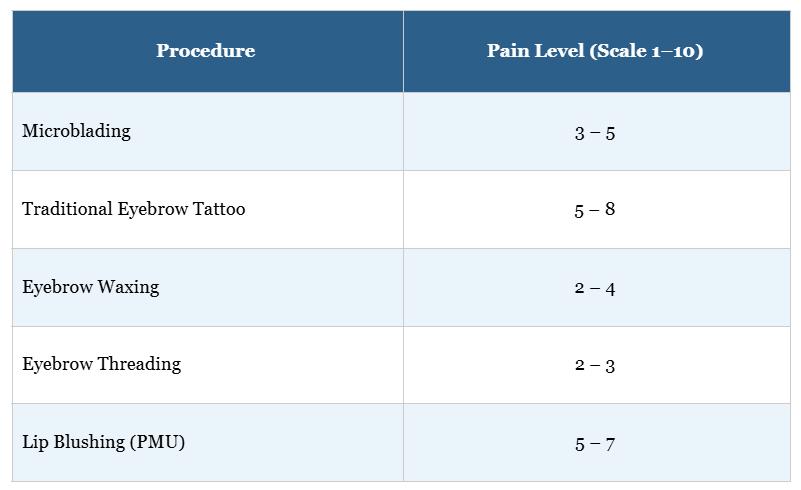
Why is microblading lower on the pain scale compared to a tattoo? Because the needles only reach the top layer of skin (the epidermis), while regular tattoo needles go much deeper into the dermis. Less depth means less nerve activation, which means less pain.
It is also worth noting that microblading is done by hand — meaning a skilled artist like those at Symetrie Studio Spa has precise, gentle control over the pressure applied. This is very different from an electric tattoo machine buzzing away at a fixed intensity.
7 Factors That Affect How Much Microblading Hurts
Microblading discomfort is not the same for everyone. Several things can make it feel more or less intense on the day of your appointment:
1. Your Natural Pain Tolerance
Everyone has a different threshold for pain. Some people sail through microblading barely noticing anything. Others are more sensitive. Neither is right or wrong — it is just how your body is wired.
2. Your Skin Type
People with sensitive skin, rosacea, or easily irritated skin may feel more discomfort during the procedure. Oily skin can also be slightly trickier because the numbing cream may not absorb as effectively.
3. Your Menstrual Cycle
Your body becomes more pain-sensitive in the days leading up to and during your period. This is a real, well-documented physiological response. If you are prone to strong period symptoms, try to schedule your appointment during the middle of your cycle for the most comfortable experience.
4. Caffeine and Alcohol
Both caffeine and alcohol thin the blood and heighten sensitivity in the nervous system. Consuming either within 24 to 48 hours before your appointment can make the sensation feel sharper than it otherwise would. Stick to water the morning of your session.
5. Anxiety and Stress
When you are anxious, your body releases stress hormones that actually amplify pain signals. The more relaxed you can be going into your appointment, the less discomfort you will feel. We always encourage clients to arrive calm — put on a playlist, do some deep breathing, and remind yourself that thousands of people in Lafayette and across the country do this every year without issue.
6. Your Artist's Technique
An experienced microblading artist applies controlled, consistent pressure with a light hand. Rushed or heavy-handed technique leads to unnecessary discomfort and poor results. At Symetrie Studio Spa in Lafayette, our artists are trained to work precisely and gently, prioritizing both your comfort and the quality of your brows.
7. The Quality and Timing of Numbing Cream
This is one of the biggest factors of all. A good topical numbing cream, applied correctly and allowed to sit for the right amount of time, can transform the experience from uncomfortable to nearly painless. More on this below.
How Does Numbing Cream Work for Microblading?
Topical numbing creams contain active anesthetic ingredients — most commonly lidocaine, sometimes combined with benzocaine or tetracaine. These ingredients temporarily block the nerve signals in the skin so you feel pressure and movement, but not sharp pain.
Here is how the numbing process works at Symetrie Studio Spa:
• A numbing cream is applied to the eyebrow area about 20 to 30 minutes before the procedure begins
• The cream is left on long enough to reach full effectiveness
• It is wiped off just before the artist begins making strokes
• If needed, a secondary numbing agent can be reapplied during the procedure
The result? Most clients feel the strokes as light pressure or scratching — not as sharp pain. Many people are genuinely surprised by how mild it feels once the numbing has taken effect.
Pro Tip: Do not apply any numbing cream at home without guidance from your artist. Over-application or incorrect use can affect how the skin takes pigment and may change your results.
Does Microblading Hurt More Than a Regular Tattoo?
This is one of the most common questions people ask before their first microblading appointment — and the answer is no, microblading is generally much less painful than a regular tattoo.
Here is why:
• Regular tattoos use an electric machine that drives ink deep into the dermis (the second layer of skin). That repeated deep penetration activates more pain receptors.
• Microblading uses a handheld tool that creates fine, shallow cuts only in the upper layer of skin. The depth is significantly less, which means less nerve activation.
• Tattoo machines also vibrate at high speeds, which creates a buzzing, dragging discomfort that some find more unpleasant than the actual needle. Microblading involves quiet, precise hand strokes.
Think of it this way: a regular tattoo is like a deep conversation your skin has with the needle. Microblading is more like a quick, surface-level hello. Both leave a lasting impression — but one is much more intense than the other.
Book Into our Symetrie Studio Spa
Ready to take the next step? Book a consultation with a qualified permanent makeup artist.
Book Now
How to Minimize Microblading Pain — Before, During, and After
You have real control over how comfortable your microblading experience is. Here is a simple guide:
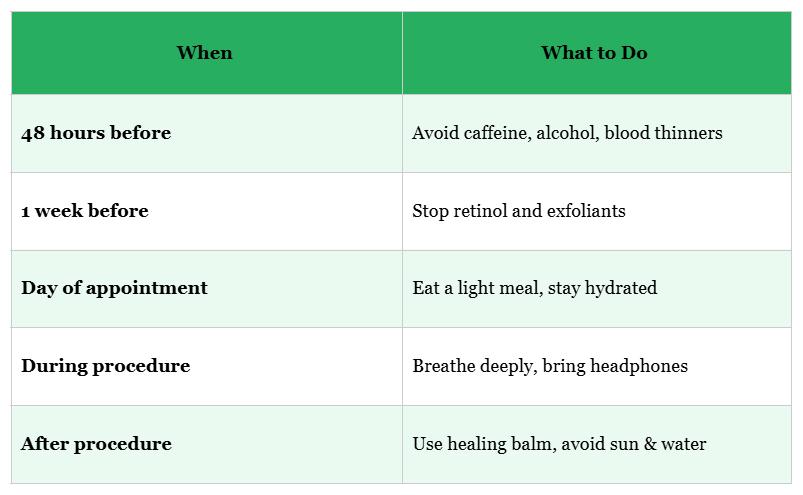
Before Your Appointment
• Avoid caffeine and alcohol for 24 to 48 hours beforehand
• Skip blood thinners like aspirin or ibuprofen (paracetamol / acetaminophen is fine if needed)
• Stop using retinol, AHAs, BHAs, or any exfoliating skincare on the brow area at least one week before
• Do not get a sunburn on your face in the days before your session
• If possible, avoid scheduling during or just before your menstrual period
During Your Appointment
• Arrive rested and have eaten a light meal — low blood sugar makes everything feel worse
• Bring earbuds and listen to music, a podcast, or a calming playlist
• Practice slow, deep breathing — it genuinely reduces pain perception
• Communicate openly with your artist if you need a short break or more numbing
After Your Appointment
• Keep the area dry for the first 10 days
• Apply the recommended healing balm or ointment as directed
• Do not scratch, rub, or pick at the treated area — even if it itches
• Avoid direct sunlight, saunas, pools, and steam rooms during the healing phase
• Use only fragrance-free, gentle skincare near your brows
Who Might Find Microblading More Uncomfortable?
Most people handle microblading just fine. However, a few groups may experience slightly more discomfort:
• People with a very low pain threshold in general
• Those with diagnosed skin conditions like rosacea, eczema, or psoriasis near the brow area
• Anyone who is especially anxious about needles or facial procedures
• Clients who schedule their appointment during their menstrual cycle
If you fall into any of these categories, please do not let that stop you from exploring microblading. Simply let your artist know during your consultation. At Symetrie Studio Spa in Lafayette, we take extra care with sensitive clients — adjusting technique, allowing more numbing time, and building in breaks as needed.
Real Clients Share Their Experience
Sometimes the most reassuring thing is hearing it from someone who has actually done it. Here is what clients commonly say after their microblading session at Symetrie Studio Spa:
"I kept waiting for it to hurt, and honestly... it never really did. The numbing cream did its job. I could feel the strokes but it was nothing like I imagined."
"I rate my pain tolerance as pretty low. I would give the discomfort maybe a 4 out of 10. It was scratchy and a little sensitive toward the end, but completely doable."
"I have had eyebrow threading done before and this felt similar — maybe even a little less uncomfortable. The results are so much better, though. Worth every second."
The most common theme? People are more scared of microblading before the appointment than they are during it. The anticipation is often worse than the reality.
What About the Touch-Up Session — Is That More Painful?
Good news: the touch-up session (typically scheduled 4 to 8 weeks after your first appointment) is usually more comfortable than the initial procedure.
Here is why:
• The session is shorter, since the artist is refining existing strokes rather than creating all of them from scratch
• Your skin has already healed and gone through the full pigment-settling process
• You now know what to expect, which significantly reduces anxiety — and therefore pain
Most clients describe the touch-up as noticeably easier than the first session. Many say they almost look forward to it by that point.
Final Thoughts — Is Microblading Worth the Discomfort?
So, is microblading painful? In most cases, it is mildly uncomfortable at most — and with proper preparation and a skilled artist, it is very manageable. The sensation is temporary. The results are not.
Think about it: one to two hours of mild, well-numbed discomfort in exchange for 12 to 18 months of naturally full, defined brows that you wake up with every single morning. No pencils, no powders, no rushing through your morning routine. For most people, that is an easy trade-off.
At Symetrie Studio Spa in Lafayette, we make client comfort a top priority at every stage — from your first consultation through your final touch-up. Our artists are experienced, gentle, and always happy to walk you through what to expect before we begin. And while you are at it — explore our full range of Permanent Makeup Services in Lafayette, including lip blushing, eyeliner, and more. Beautiful, long-lasting results with the same expert care you can count on at Symetrie Studio Spa.
Frequently Asked Questions About Microblading Pain
Without a topical numbing cream, microblading would be noticeably more uncomfortable. The scratching sensation would feel sharper and more constant throughout the procedure. That is why numbing cream is a standard part of every professional microblading session. If you are visiting a studio that does not use numbing, that is worth asking about.
Most clients experience mild redness and tenderness in the brow area for 24 to 48 hours after their appointment. This typically fades quickly. The skin may also feel tight or slightly dry during the first week of healing, but this is not painful — just part of the normal process.
Yes — but choose carefully. Acetaminophen (paracetamol) is fine to take before your appointment if needed. Avoid ibuprofen, aspirin, or any other NSAIDs in the 48 hours before your session because they thin the blood, which can increase bleeding and make it harder for the pigment to settle properly.
It can. Your body is more pain-sensitive in the days before and during your period due to hormonal changes. If you are already prone to sensitivity during that time, it is worth scheduling your appointment during the middle of your cycle instead.
No — microblading is generally less painful than a traditional eyebrow tattoo. Regular tattoo machines penetrate the skin much more deeply, which activates more pain receptors and creates a more intense sensation. Microblading only targets the uppermost layers of skin.
Just say something. Your artist at Symetrie Studio Spa will always pause and address your comfort. More numbing can be applied, or you can take a short break. There is no reason to push through unnecessary discomfort — we want your experience to be positive from start to finish.
Ready to get started?
If you are in the Lafayette area and curious about microblading, we would love to hear from you. Book a consultation with Symetrie Studio Spa and we will answer all your questions, assess your skin, and help you decide if microblading is right for you.
Book Now